
Last Updated on July 29, 2023 by admin
Cats can eat red cabbage in moderation as a treat, but it should be served in small quantities as cats are obligate carnivores and have minimal need for vegetables. It is a healthy vegetable for cats and contains fiber, vitamins and minerals, but it should not be served raw and should only be used as a minor ingredient in balanced cat food recipes.
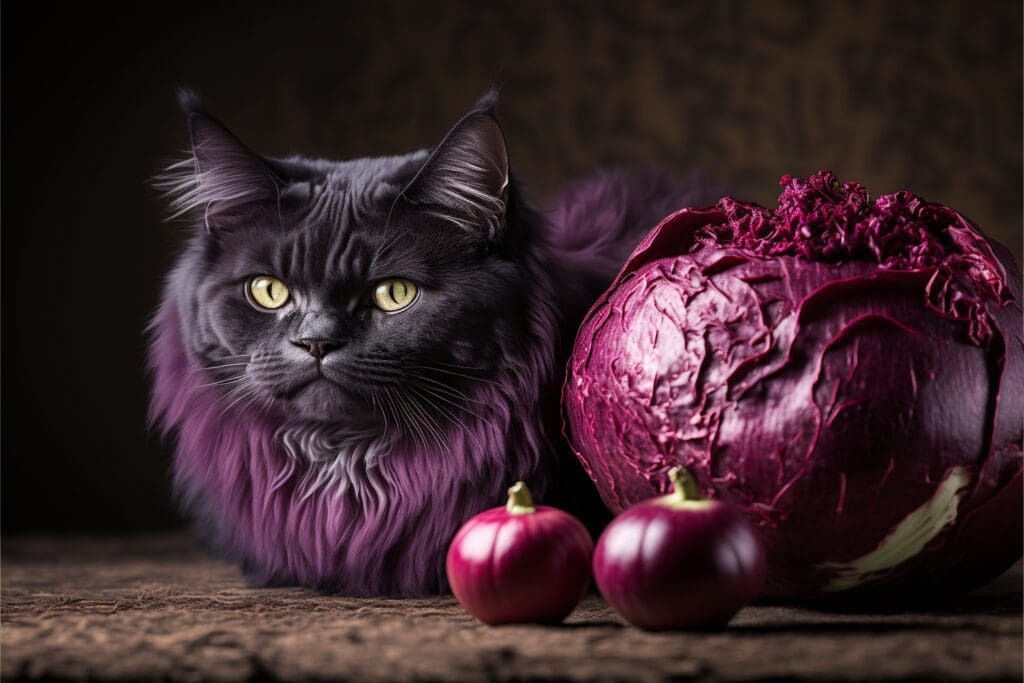
Yes, cats can eat red cabbage in moderation. Red cabbage packs many of the same nutritional benefits as other varieties of cabbage, such as fiber, vitamins and minerals. It is a healthy vegetable for both humans and felines, however, cats are obligate carnivores and do not have much need for vegetables. As such, serve small quantities of red cabbage as a treat only. Too much of this vegetable can be unhealthy for cats, so it is best to avoid raw cabbage and use it as an additional ingredient in an “energetically balanced” cat food recipe. Additionally, cats must not have any taste of onions or garlic as they can be harmful.
The Nutritional Benefits of Red Cabbage for Cats
Red cabbage is a nutrient-dense vegetable that offers a range of benefits to cats. Packed with vitamins, antioxidants and fiber, red cabbage is an excellent option for cats looking to boost their health. The antioxidants in red cabbage can help protect cats from free radical damage, while the vitamin C and other vitamins can help the immune system stay strong. Fiber aids digestion and helps cats feel full for longer periods of time. Not only that, but red cabbage also has anti-inflammatory properties, which can help cats with joint pain and other ailments.
Can Animals Eat Red Cabbage?
Yes, animals can eat red cabbage. Specifically, red cabbage is safe for dogs to consume. It offers numerous health benefits as it is a rich source of fiber, vitamin K, and vitamin C. These vitamins play a crucial role in fighting diseases, supporting digestion, and boosting the immune system. However, it is important to feed red cabbage to dogs in moderation to avoid potential issues such as gas or thyroid gland dysfunction. Consuming excessive amounts of cabbage can lead to gas problems or suppress the functioning of the thyroid gland. Therefore, while red cabbage can be a nutritious addition to a dog’s diet, it should be given in controlled portions to ensure the well-being of our furry friends.
What Happens if Cats Eat Cabbage?
Cats are naturally curious creatures and may eat cabbage out of curiosity. However, their bodies are not designed for vegetable consumption, so it is generally not recommended for cats to eat cabbage for a long time. While a small amount of cabbage is unlikely to cause any harm, it is important to monitor their intake. There is no need to panic if a cat eats a small amount of cabbage occasionally, but if it becomes a routine or the cat consumes a large chunk of cabbage, it can lead to digestive issues such as upset stomach, diarrhea, or even potential blockages. Therefore, it is best to prevent cats from regularly consuming cabbage to ensure their health and well-being.
Can Cats Eat Cabbage Cooked?
Yes, cats can eat cooked cabbage in moderation. However, it is important to note that moderation is key, as excessive consumption of cabbage can lead to digestive issues in cats. Cooked cabbage can be a healthy addition to a cat’s diet, providing essential nutrients such as vitamins K and C. It is important to ensure that the cabbage is thoroughly cooked and free from any seasonings or additives that could be harmful to cats. Additionally, it is always recommended to consult with a veterinarian before introducing any new food into a cat’s diet to ensure it is suitable for their specific needs.
What Vegetables Cats Cannot Eat?
Cats should not eat onions, garlic, leeks, scallions, shallots, and chives. These vegetables can be harmful to cats, causing gastrointestinal problems, blood thinning, and even death. It is important to avoid feeding cats foods that contain these vegetables or herbs, such as garlic bread, to ensure their safety and well-being.
Can Cats Eat Cabbage?
Yes, cats can eat cabbage in moderation as long as it is prepared the right way. Cabbage is a cruciferous vegetable belonging to the same family as broccoli, cauliflower, and kale. It is rich in vitamins, minerals, and antioxidants which can help cats stay healthy. However, since cats are obligate carnivores, they don’t get much benefit from eating vegetables. To ensure that your cat gets the most benefits from eating cabbage, it should be steamed or boiled before giving it to them. This helps make it easier for their digestive system to process the vegetable and get the most out of it. Additionally, you should always watch your cat when they’re eating and make sure that they are not overeating.
How to Prepare Cabbage for Cats
When it comes to feeding cabbage to cats, it’s important to remember that cats are obligate carnivores and cannot digest raw vegetables. Therefore, the best way to serve cabbage to your cat is cooked. To prepare cabbage for cats, simply wash it thoroughly and then steam or boil it for a few minutes until it is soft. This will make it easier for your cat to digest. You can also add a little bit of olive oil, butter, or chicken broth to the cabbage while cooking to add flavor and further enhance its digestion. Once the cabbage is cooked, let it cool before serving it to your cat. Be sure not to feed your cat too much at once; start by offering a small amount and then gradually increase the portion size if needed.
Why Cats Should Eat Cabbage in Moderation
Cabbage is a healthy and nutritious vegetable for cats, but it still should be given to them in moderation. Cabbage is rich in vitamins, minerals and antioxidants, but cats are obligate carnivores, meaning they require a diet that is primarily composed of meat. As such, they don’t need a large amount of cabbage in their diet. Too much cabbage can lead to digestive issues such as diarrhea and vomiting. Therefore, it’s important to only give small amounts of cabbage to cats and to ensure that it is well cooked or steamed before being offered as a treat.
Are There Risks of Eating Cabbage for Cats?
Note that cats are obligate carnivores, so their diet should primarily consist of animal protein and fat. Cabbage should not be the main source of nutrition for cats, as it lacks essential nutrients such as taurine and arachidonic acid. That said, there are certain risks associated with feeding your cat cabbage. If a cat eats too much cabbage, it could lead to digestive issues and even gas, bloating, and constipation. Additionally, raw cabbage contains an anion known as goitrogens that can interfere with thyroid hormone production, which can lead to health problems. Therefore, cabbage should only be fed to cats in moderation.
What Other Vegetables Can Cats Eat?
Kale is an excellent source of vitamins, minerals, and antioxidants, but it’s not the only vegetable that cats can consume. Other leafy greens like spinach and Swiss chard are also healthy choices for cats. Root vegetables like carrots, beets, and sweet potatoes are also rich in calcium, potassium, and iron, and can be safely included in your feline’s diet. Be sure to cook these vegetables before serving them to your pet. As with other vegetables, it’s important to offer these foods in moderation to avoid digestive upset.
Is Raw Cabbage Safe for Cats?
Yes, raw cabbage is safe for cats but should be served in moderation. If a cat consumes too much raw cabbage, it can lead to digestive issues such as vomiting and diarrhea. To avoid any potential complications, it is best to cook the cabbage before feeding it to your cat. Cooking the cabbage will also make it easier for your cat to digest.
The Difference Between Humans and Cats Eating Cabbage
Cats need meat in their diet as they are obligate carnivores, so their nutritional needs are different from humans. Humans can benefit from eating cabbage due to its high nutrient content, but cats don’t need the same amount of vitamins and minerals. This means that cats don’t benefit as much from eating cabbage as humans do, so it’s important to feed them in moderation. It’s also important to note that raw cabbage is harder for cats to digest than cooked cabbage, so it’s best to cook it before feeding it to your cat.
How Much Cabbage Can a Cat Eat?
Cats are obligate carnivores, so they don’t need much vegetables in their diet. That being said, cats can enjoy a small amount of cabbage as a treat. But how much cabbage can cats eat? Generally speaking, cats can eat up to one tablespoon of cabbage per day. This should be offered as an occasional treat, not as a meal. Feed your cat the right portion size to avoid any possible digestive problems. If you are unsure of how much to give your cat, it’s best to consult your vet for advice.
What to Avoid When Feeding Cabbage to Cats
When feeding cabbage to cats, avoid serving large quantities. Cats are obligate carnivores, so they do not have much need for vegetables. Even though cabbage is safe for cats, serving large amounts of it can be a bad idea since it is not cat food and does not contain the essential nutrients that cats need. Therefore, it is best to add only a small amount of cabbage to their regular food. Additionally, care must be taken when feeding cabbage to cats since it contains thiocyanate, which can have harmful effects on the thyroid gland if consumed in large amounts. Therefore, moderation is key when feeding red cabbage to cats.