Last Updated on March 24, 2026 by admin
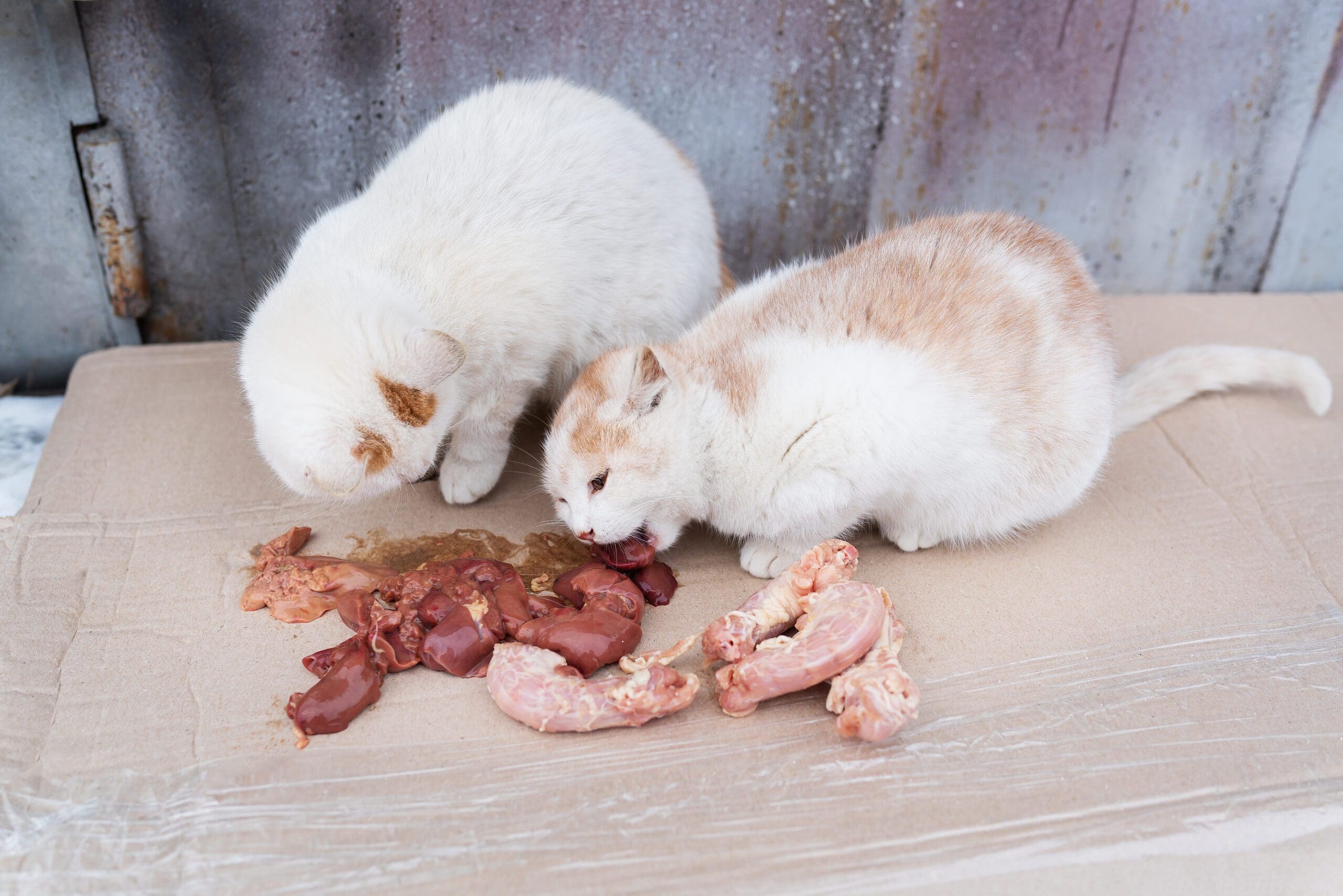
Yes, cats can eat heart meat — and it’s genuinely one of the better whole-food treats you can offer them. Heart is packed with taurine, an essential amino acid that cats absolutely need and can’t produce on their own. It’s also a relatively lean muscle meat, which means it’s high in protein without the richness that comes with true organ meats like liver. That said, there are some important things to know about portions, preparation, and which types of heart work best for cats.
Disclaimer: This article is for general informational purposes. Always consult your veterinarian before making significant changes to your cat’s diet, especially if your cat has a health condition.
Is Heart Meat an Organ Meat?
This comes up a lot, and the answer is: technically no, though it depends on who you ask. Heart is often grouped with organ meats in raw feeding communities, but nutritionally it behaves more like muscle meat. It doesn’t have the same dense concentration of fat-soluble vitamins you’d find in liver or kidney, which means it also doesn’t carry the same risk of over-supplementation. That makes it a more forgiving addition to your cat’s diet than other organ meats.
Why Heart Meat Is Good for Cats
The biggest benefit is taurine. Cats are obligate carnivores, which means they depend entirely on animal-sourced nutrients to survive — and taurine is one of the most critical. A taurine deficiency can lead to dilated cardiomyopathy (a serious heart condition) and even blindness over time. Heart meat — particularly chicken and beef heart — is one of the richest natural sources of taurine you can find.
Beyond taurine, heart meat also provides:
- CoQ10 (Coenzyme Q10) — an antioxidant that supports heart function and cellular energy
- B vitamins, especially B12 and niacin, which support metabolism and nerve health
- Iron and zinc — important for immune function and oxygen transport
- High-quality protein with a complete amino acid profile
It’s also relatively low in fat compared to liver or kidney, making it a reasonable treat even for cats that tend to run heavy.
Which Types of Heart Can Cats Eat?
Chicken heart is the most popular choice, and for good reason. The pieces are small and manageable — a single chicken heart is roughly the right size for a cat treat, so you don’t have to do much cutting or prep. Beef heart is also safe, but it’s much larger and denser, so you’ll need to cut it into small pieces. Turkey heart falls somewhere in between and works well too.
All of these are safe options. The main things to avoid are hearts that have been pre-seasoned, marinated, or processed with added salt or spices — those are for human consumption and not appropriate for cats.
How Much Heart Meat Can You Give a Cat?
Heart should be treated as a supplement or high-value treat, not a meal replacement. A good rule of thumb is that treats — including whole-food additions like heart — shouldn’t make up more than 10% of your cat’s daily caloric intake.
In practical terms, that usually means:
- 1 to 3 small chicken hearts a few times per week as a treat
- A tablespoon-sized piece of beef or turkey heart if using larger hearts
If your cat is eating a commercial diet that’s already taurine-complete (most quality cat foods are), heart meat is a nice supplemental boost rather than a necessity. If your cat eats a raw or home-cooked diet, heart becomes more important as a taurine source, and your vet or a veterinary nutritionist can help you dial in the right amounts.
Raw vs. Cooked: Which Is Better?
This is where cat owners often disagree. Raw feeders argue that cooking degrades some nutrients, including taurine. That’s true to some extent, though cooked heart still retains meaningful nutritional value. The counterargument is that raw meat carries a real risk of bacterial contamination — salmonella, listeria, and other pathogens can be present even in fresh, high-quality meat.
The safest approach for most cats and most households is lightly cooked heart — seared or boiled briefly, with no oil, no butter, and absolutely no seasoning. This reduces pathogen risk while preserving most of the nutrients. If you do choose to feed raw, source from a reputable supplier, keep everything refrigerated, and wash your hands and all surfaces thoroughly.
How to Prepare Heart Meat for Your Cat
Preparation is straightforward:
- Rinse the heart under cold water and trim away any visible fat or connective tissue
- Cut into small, cat-appropriate pieces (chicken hearts can often be left whole or halved)
- Boil or lightly pan-sear in a clean pan with no oil or seasoning until cooked through
- Let it cool completely before serving — cats can burn their mouths on hot food
- Refrigerate any leftovers and use within 2 days
Never season heart meat with onion, garlic, salt, or any spices. Onion and garlic are toxic to cats even in small amounts.
When to Check With Your Vet
Heart meat is generally safe for healthy adult cats, but it’s worth a quick conversation with your vet if your cat has kidney disease, a heart condition, or is on a prescription diet. Cats with kidney disease in particular need their phosphorus and protein intake monitored carefully, and adding fresh meat — even a healthy variety — can affect that balance. Your vet is the right person to advise on whether heart meat fits your specific cat’s needs.
Frequently Asked Questions
Can kittens eat heart meat?
Yes, but in very small amounts and only once they’re fully weaned and eating solid food. Kittens have different nutritional needs than adult cats, and their main diet should be a high-quality kitten food. Heart can be offered as an occasional treat, but don’t rely on it as a regular part of their diet without guidance from your vet.
How often can I give my cat chicken hearts?
A few times per week is a reasonable frequency for most healthy adult cats. Daily is fine in very small amounts as long as it stays within that 10% treat guideline. If you’re incorporating it as part of a raw or home-cooked diet rather than as a treat, you’ll want to work out the exact amounts with a vet or veterinary nutritionist.
Is there any heart meat I should avoid giving my cat?
Avoid any heart that’s been pre-marinated, cured, or sold as a processed product for human consumption — these almost always contain salt, garlic, onion powder, or other ingredients that are harmful to cats. Stick to raw, fresh heart from the butcher or meat counter, and prepare it yourself at home so you know exactly what’s in it.