
Last Updated on July 9, 2023 by admin
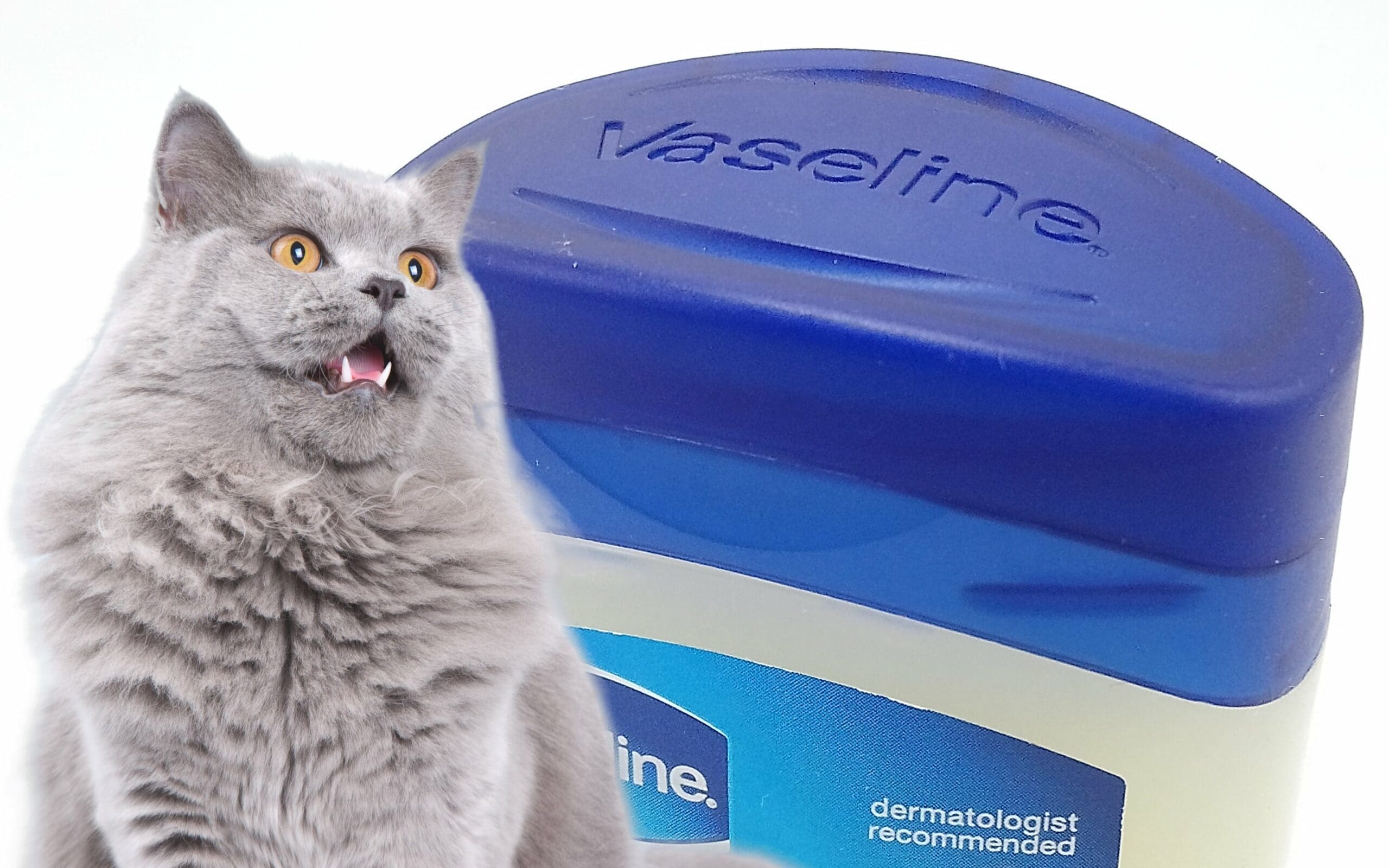
Cats can eat Vaseline in small doses without any harmful effects. In fact, Vaseline is sometimes recommended by veterinary professionals as a remedy for hairballs. However, it is best to avoid feeding your cat large amounts of Vaseline as it can cause an upset stomach. If you’re going to use vaseline to treat your cat for hair balls be sure to monitor them closely and doesn’t cause other issues.
Symptoms of Vaseline Ingestion in Cats
No, petroleum jelly does not hurt cats. In fact, petroleum jelly is incorporated into many commercial hairball remedies that are used to prevent hairballs in cats. If enough hair collects in a cat’s intestines, it can cause constipation, a blockage or death. While there are any number of products available to help with this problem, many of them contain petroleum jelly as the active ingredient.
Because petroleum jelly cannot be absorbed by the digestive tract it coats the hairballs like a lubricant and allows them to pass through the digestive system.
Why Do Cats Like Vaseline
Cats like Vaseline because it has a scent similar to the pheromones that attract them for mating, they enjoy the taste and texture, it helps them pass fur through their intestines, and it moisturizes their skin. Some cats also use it to self-medicate for hairballs.
Petroleum Jelly for Cats
Petroleum jelly is not meant to be ingested and should not be used as a food item for cats. However, when applied externally in small amounts, it can be beneficial for their skin and can be used to treat constipation, hairballs, and skin problems. Excessive use may cause diarrhea.
My Cat Ate Vaseline
If your cat has ingested a small amount of Vaseline, it is generally safe. However, if your cat has underlying health issues or regularly consumes Vaseline, it can lead to further health problems. If you suspect your cat has eaten a large amount of Vaseline, contact a vet for advice. Vets may treat cats for gastrointestinal upset and monitor for any developing symptoms. Giving cats mineral oil on its own is not recommended as it can be easily aspirated and cause lung poisoning.
Treatment of Vaseline Ingestion in Cats
As a rule, petroleum jelly products like Vaseline are not toxic if your cat ingests them in small amounts. Some veterinarians even recommend offering your cat a small amount of Vaseline as a way to help with hairballs. However, it’s important to keep in mind that Vaseline is not a laxative, so don’t expect it to work miracles in that department. Be careful when giving or applying Vaseline to your cat and avoid the nose or eyes unless instructed by a veterinarian.
Is Vaseline Safe for Cats to Eat
Vaseline is not considered toxic for cats as long as it’s ingested in small doses. It has even been used for the treatment of constipation in some cases. Vaseline or generic petroleum jelly are unlike many other petroleum products. Petroleum jelly and mineral oil have bee used as a home remedy to help prevent hairballs from becoming problematic. If your cat has a problem with hairballs, using Vaseline for hairballs will usually end up being much cheaper than buying hairball food or any other commercial remedy.
What Happens If a Cat Eats Vaseline
Some cats like Vaseline although most cats are usually indifferent. While you want to be careful about giving your cat too much Vaseline it will eventually pass through your cat without any problems. The appropriate does for a cat can be tricky unless you consult a vet and it’s better to start with a small dose and work your way up. One thing to keep in mind is that too much Vaseline may block nutrients from being absorbed which can become a problem for cats.
Does Petroleum Jelly Hurt Cats?
No, Vaseline or any other petroleum jelly products are safe as long as they are not laced with other active ingredients, coloring, flavoring, and such.
Is Vaseline Safe for Cats Wounds?
Yes, vaseline can be applied safely around minor cat wounds. Many veterinarians prescribe Vaseline for kittens because it helps to soothe and protect their delicate skin. Just be sure to use a non-medicated petroleum jelly and avoid mineral oil, which can be toxic if swallowed.
Is Vaseline Okay for Cats to Lick?
Vaseline is not considered toxic for cats as long as it’s ingested in small doses. It is ok for cats to lick small quantities of Vaseline. Vaseline can also be used for dry skin and sore spots and because of it’s safety profile you don’t have to worry about your cat licking it off.
Is Vaseline Safe for Cats Eyes?
You should not let Vaseline get into your cat’s eyes. If it gets into your cat’s eyes it can obscure their vision and lead to unusual behavior that leads to self harm. It can be used around the eyes for scratches and irritated skin but should never get in their eyes.
Is Vaseline Safe for Cats Ears?
Yes, Vaseline is perfectly safe to use for cleaning or disinfecting your cat’s ears. It’s even been used for the treatment of ear mites. It can also help alleviate any irritation or itching to prevent excessive scratching.
Is Vaseline Safe for Cats Dry Skin?
Yes, Vaseline is perfectly safe for a cat’s dry skin. Applying Vaseline to your cat’s skin will not clog their pores, irritate their skin, or cause them any upset stomach if ingested in small amounts.
Conclusion
Many cat owners are unaware of the benefits of Vaseline. Many are weary of using petroleum products in general even for their cats or mistakenly think that Vaseline will make your cat sick if they lick Vaseline or ingest too much. If your feline friends has a problem with hairballs and it causes them to vomit often you might want to consider giving your cat Vaseline by either mixing it into wet food or giving them a small spoon to lick it off of.
You should always start with a small dose for a cat. Monitor their appetite for a few days and see if they pass the hairballs through stool. You can also try brushing your cat more often and thoroughly in combination to prevent hairballs from becoming a serious health issue. However, Vaseline can be a cheap and effective way to keep hairballs under control for your cat and are safe enough to give it daily. If you suspect a greater issue or have any other concerns be sure to discuss this with your vet.