
Last Updated on August 3, 2023 by admin
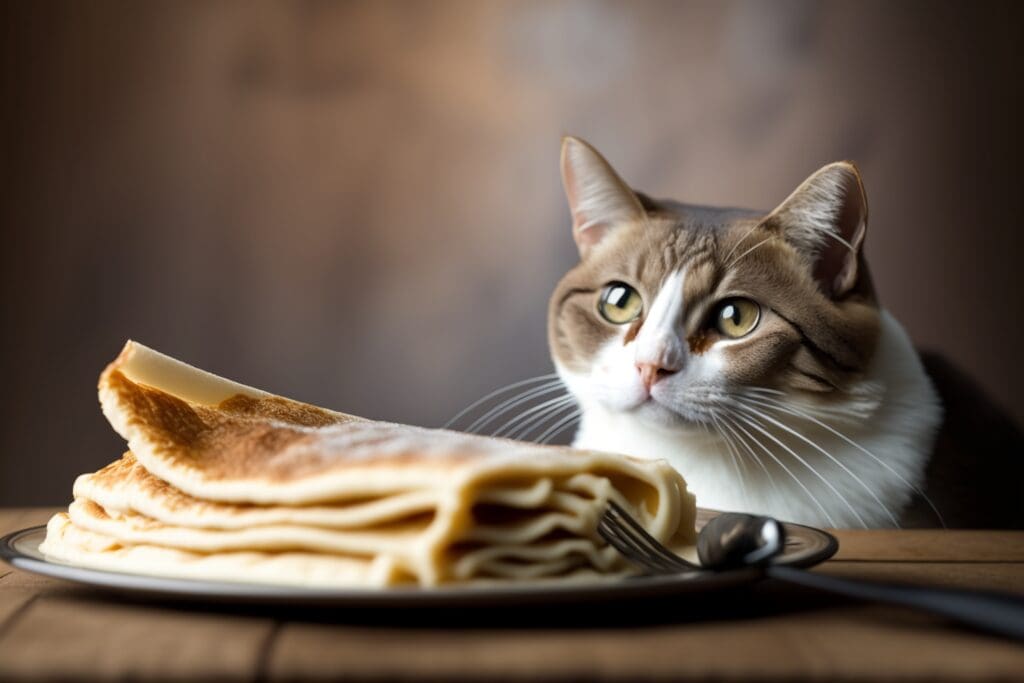
Yes, cats can eat crepes in moderation. Crepes are generally safe for cats to eat, as long as they don’t contain any ingredients that are toxic to cats. However, note that crepes usually contain dairy and other ingredients that may not be suitable for cats. Therefore, it is best to only give your cat a small piece of crepe occasionally as a treat and not as a regular part of their diet. It’s also a good idea to check the ingredients in the crepe filling before giving it to your cat, just to make sure there are no harmful substances present.
Overview of Crepes
Crepes are a popular French dish made from a thin mixture of eggs, water, and flour. They can be filled with savory or sweet fillings, and served as breakfast, lunch, or dinner. Crepes are usually cooked in a skillet or on a hot griddle and are often enjoyed with a light dusting of sugar or topped with fruit, whipped cream, or other toppings. Eating crêpes on Candlemas is an old French tradition that dates back to the Middle Ages. Traditionally, the crepes would be filled with sugar and butter and blessed in church. Today, people enjoy crepes in all kinds of flavors including traditional sweet fillings such as Nutella and strawberry jam, as well as savory fillings like ham and cheese. Although cats have a reputation for enjoying milk, many are actually lactose intolerant so avoid dairy when feeding your cat crepes.
Are Cats Allowed Pancakes?
Cats are technically allowed to eat pancakes, but it is not recommended as a regular part of their diet. Pancakes are high in carbohydrates and sugars, which can lead to weight gain and potential health issues for cats. Additionally, the ingredients used in pancakes, such as flour, milk, and butter, may not be easily digestible for cats. Cats have specific dietary needs that are best met through a balanced and species-appropriate cat food. Feeding cats pancakes should be done in moderation as an occasional treat, and should not include any added toppings or syrup. It is important to consult with a veterinarian before introducing any new food into a cat’s diet to ensure it is safe and appropriate.
What Kind of Sweets Can Cats Have?
Cats should not be given any kind of sweets, as their obligate carnivore nature and digestive systems are not designed to process sugar. Feeding cats sweets can lead to obesity, diabetes, dental issues, and digestive problems. Chocolate is particularly toxic to cats and can cause severe symptoms like vomiting, diarrhea, rapid breathing, seizures, or even death. Xylitol, a common sweetener, is highly toxic to cats and can result in a sudden drop in blood sugar levels, leading to liver failure. Other ingredients found in sweets, such as artificial sweeteners, high fructose corn syrup, and excessive amounts of sugar, can also be harmful and may cause various health issues. Therefore, it is best to completely avoid giving any kind of sweets to cats and instead focus on providing them with a balanced and appropriate diet that meets their specific nutritional needs.
Can Cats Eat Bread?
Yes, cats can eat bread, but it should only be offered to them in small amounts and as an occasional treat. Bread lacks essential nutrients that cats need for a balanced diet, so it should not be a regular part of their meals. Cats may have difficulty digesting bread due to its high carbohydrate content, so it is important to monitor their reaction and not overfeed them. While bread crust is safe for cats to eat, it should still be given in moderation. It is worth noting that flour itself is not toxic to cats, but it offers no nutritional value and should not be consumed in large quantities. Additionally, it is crucial to avoid giving cats cookies, especially those containing chocolate, raisins, or artificial sweeteners like xylitol, as these ingredients are toxic to cats and can cause harm or even be fatal.
Can Cats Eat Pancakes?
Cats can technically eat pancakes, but they are not a natural part of their diet. However, it is not recommended to feed cats pancakes regularly due to several reasons. Pancakes are high in carbohydrates and sugars, which can be harmful to cats in large quantities. Additionally, the ingredients used in pancakes, such as flour, milk, and butter, may not be easily digestible for cats. Cats have specific dietary needs that are best met through a balanced and species-appropriate cat food. Feeding cats pancakes regularly can lead to weight gain, digestive issues, and potential nutrient deficiencies. While a small amount of pancake may not cause harm if a cat accidentally consumes it, it is not recommended as a regular part of their diet. It is important to prioritize a cat’s health by providing them with an appropriate diet to meet their specific nutritional needs.
Is It OK for Dogs to Eat Crepes?
Dogs can eat crepes in moderation, but it is not recommended as a regular part of their diet. Crepes are typically made with ingredients like flour, eggs, and milk, which are safe for dogs in small amounts. However, it is important to be cautious as crepes often contain fillings like chocolate, sugar, or artificial sweeteners, which can be toxic to dogs. Therefore, it is crucial to avoid giving dogs crepes with any potentially harmful ingredients. If you want to provide your dog with a treat similar to a crepe, it is advised to make a dog-friendly version using safe ingredients like whole wheat flour and unsweetened applesauce. It is always best to consult with your veterinarian before introducing any new foods to your dog’s diet to ensure their safety and well-being.
Can Cats Eat Flour?
No, cats should not eat flour as it is not a natural part of their diet and does not provide any nutritional value for them. Consuming flour can lead to digestive issues such as stomach upset or diarrhea in cats. Additionally, some types of flour, like those made from wheat, can contain gluten which may cause allergies or sensitivities in cats. It is best to avoid giving cats any foods that contain flour, including baked goods or dough, to ensure their overall health and well-being.
Can Cats Eat Crepes?
While crepes are not toxic to cats, it is still not recommended to feed them on a regular basis. Crepes are usually made with flour, milk, and eggs, all of which can be difficult for cats to digest. The dairy in the crepe batter can also be problematic for cats since most are lactose intolerant. Additionally, some of the fillings used in crepes could be potentially dangerous for cats. For example, raisins, grapes, onions, garlic and chocolate should all be avoided when feeding your cat crepes. Therefore, it is best to avoid feeding your cat crepes altogether and opt for a healthier treat like kibble or wet food instead.
What Are Crepes Made Of?
Crepes are thin, French-style pancakes made from a combination of flour, eggs, milk and butter. They are traditionally served with a variety of fillings and come in both savory and sweet versions. Crepes are often enjoyed with fruits, jams, creams, cheese or vegetables, but it’s important to keep in mind that some of these fillings can be dangerous for cats. Before serving crepes to your feline friend, make sure the filling is something that is safe for them to eat.
What Should I Avoid When Feeding My Cat Crepes?
When feeding your cat crepes, it’s important to be aware of what ingredients may be potentially harmful. Many of the ingredients found in crepes, such as sugar, flour, and butter, can be toxic to cats if consumed in large amounts. Therefore, you should avoid feeding your cat large amounts of crepes. Additionally, crepes often contain other ingredients that can be harmful to cats, such as raisins, chocolate chips, syrup, and nuts. These ingredients should also be avoided when feeding your cat crepes. Finally, you should ensure that the filling in the crepe is safe for cats. Fruits such as apples and bananas are usually okay for cats to eat in small amounts. However, it is best to avoid any fillings with added sugar or preservatives.
What Filling Is Safe for Cats in Crepes?
When it comes to filling a crepe for cats, there are a few safe options. The ASPCA recommends avoiding things like dairy products, onion, garlic, chocolate, and grapes, as these can all be harmful to cats. However, there are a few ingredients that can be used safely. Eggs in moderation can be a great source of protein for cats and provide essential vitamins and minerals. Tuna or salmon can also be beneficial as these are both good sources of omega–3 fatty acids. Vegetables like carrots and peas can also be added to crepes for cats in moderation. As always, it’s important to consult with your veterinarian before introducing new foods into your cat’s diet.
Conclusion
In conclusion, crepes can be safe for cats if they are given in moderation and with the right ingredients. As crepes are high in carbohydrates, it’s important to make sure that you only feed your cat a small amount and that no sugary or artificial sweeteners have been used. Additionally, check the ingredients used to make the crepes, as some may contain garlic or onions which can be toxic to cats. Finally, be sure to avoid feeding your cat any fillings that contain toxic ingredients like chocolate or raisins. With these tips, you can safely feed your cat crepes without having to worry about any negative effects.