
Last Updated on August 2, 2023 by admin
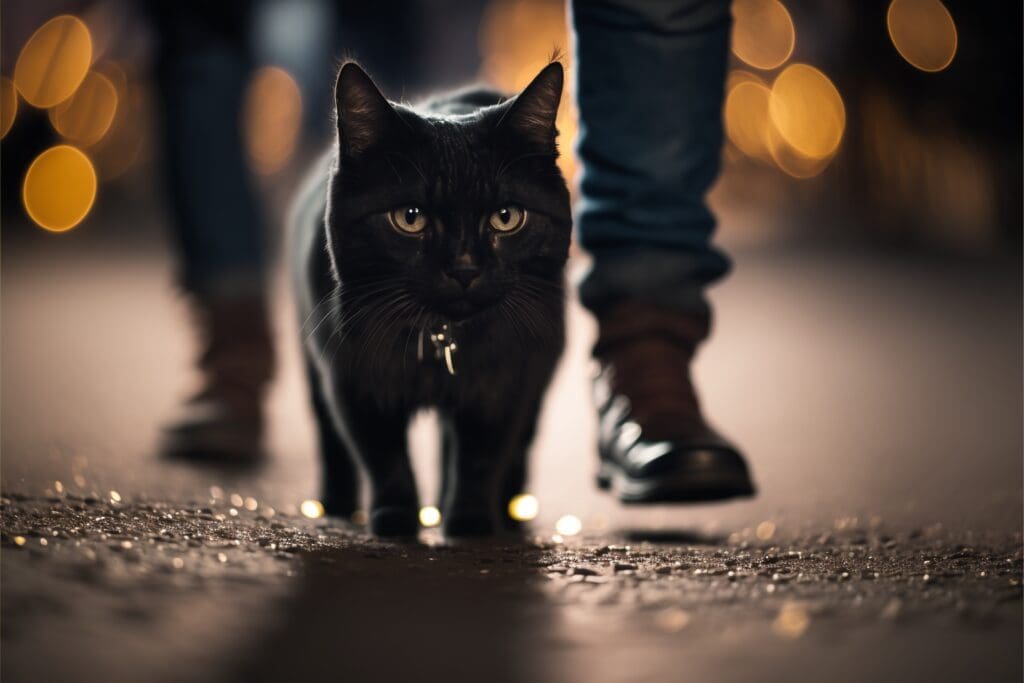
Cats walk between our legs for a variety of reasons. One of the most common reasons is because they are marking us with their scent, as a sign of friendship and affection. This is often done when they are excited and want something from us, like attention, food, or to play. When cats do this, it is referred to as marking, as cats use scent glands in their face, body, and tail to anoint their social group or objects with their unique smell. Cats may also walk under our feet to get our attention. It could be that they are feeling a bit anxious and want us to stay and pet them. Additionally, cats have not been bred as herding animals, so walking between our legs is not a form of herding. All in all, cats walking between our legs is a sign of their love and affection for us.
What Does It Mean When a Cat Rubs Against You?
What does it mean when a cat rubs against you? This kind of behavior is actually a sign of affection and greeting from your cat. Cats have scent glands located in their face, body, and tail which they use to transfer their scent onto objects, people, and other animals in their social group. This is their way of claiming ownership and letting the world know that you are part of their family. When your cat rubs against you, it is not to intentionally trip you, but to show you that they really care.
Why Does My Cat Walk Through My Legs?
Cats may walk through your legs for several reasons, primarily to seek a sense of safety and security. This behavior is often displayed when other animals are present or when the cat is feeling anxious. By walking between your legs, the cat creates a small, enclosed space that allows it to feel protected and less vulnerable. Additionally, this behavior may serve as a way for the cat to mark you with its scent, claiming you as its territory. Walking through your legs can also be a form of attention-seeking behavior, as cats often learn that they receive affection and attention when they engage in this action. To ensure your cat feels secure, it is essential to provide alternative ways for them to feel safe, such as offering hiding spots or vertical spaces.
Why Does My Cat Walk Under My Legs and Rub Them Walking By?
Your cat walking under your legs and rubbing against them is likely a display of affection and a way for your cat to bond with you. Cats have scent glands located on their face and body, and by rubbing against you, they are marking you as part of their territory. This behavior allows them to transfer their scent onto you, further solidifying their bond with you. Additionally, walking between your legs and rubbing can be a way for your cat to seek attention or ask for food, playtime, or affection. It is common for cats to exhibit this behavior more frequently if they have a strong bond with their owner or if they are seeking comfort and security. So, your cat’s actions can be seen as a loving gesture and a way for them to connect with you on a deeper level.
Why Does My Cat Always Try to Walk Between My Legs?
Your cat may always try to walk between your legs for several reasons. Firstly, it is a way for them to feel safer and more secure. By being in such close proximity to you, they can find comfort and reassurance in your presence. Additionally, walking between your legs can be a way for your cat to mark their scent on you, which is a form of territorial behavior and a means of establishing their ownership over you. Furthermore, this behavior can also be a display of affection, as they seek attention and closeness from you. If your cat is anxious or nervous, walking between your legs can help them feel more secure and calm their nerves. They may also do it more frequently when there are other animals or unfamiliar people present, as it serves as a way for them to seek protection and establish their connection with you. Overall, your cat’s habit of walking between your legs is likely a combination of seeking security, marking their territory, displaying affection, and seeking attention from you.
Why Does My Cat Try to Trip Me When I Walk?
There are several reasons why your cat may try to trip you when you walk. One possible reason is that cats view this behavior as a form of play or a way to seek attention from their owners. Cats have a natural instinct to hunt and pounce on moving objects, which may include their owner’s feet. Additionally, cats may try to trip their owners as a means of asserting dominance or establishing territory. To address this behavior, it is important to provide alternative outlets for play, such as interactive toys or scratching posts, to redirect the cat’s attention. Consistently rewarding and reinforcing positive behaviors, such as not attacking feet, can also help discourage the tripping behavior over time. If the behavior persists or becomes problematic, consulting with a veterinarian or animal behaviorist can provide additional guidance and strategies to address the issue effectively.
Why Do Cats Walk in Front of You and Stop?
Cats may walk in front of you and stop for various reasons. One possible explanation is that they are seeking attention or affection. By intentionally positioning themselves in your path, they are indicating their desire for interaction. Another reason could be related to dominance or territorial marking. Cats may use this behavior as a way to assert their dominance or mark their territory, especially if they feel threatened or if there are other pets in the household. Additionally, cats may walk in front of you and stop to communicate their needs. This could be a signal that they want to play or be fed. It is also worth noting that cats are naturally curious creatures, and this behavior may stem from their innate desire to explore their surroundings. Lastly, cats may pause in front of you to observe their environment and ensure it is safe before proceeding. Overall, a combination of attention-seeking, communication, territorial instincts, curiosity, and cautiousness can contribute to cats walking in front of you and stopping.
What Does It Mean When a Cat Circles You and Rubs Its Body Against You?
When a cat circles you and rubs its body against you, it is a way of greeting and showing affection. This behavior is often seen as a form of communication and bonding in the feline world. Cats have scent glands located on various parts of their bodies, and when they rub against you, they are marking you with their scent, essentially claiming you as part of their territory. It’s their way of saying, “You’re mine” and creating a sense of ownership. Additionally, rubbing against you can also be a way for cats to seek attention and interaction. They use this behavior to assess your mood and pick up on your energy. If a cat is circling and rubbing against you, it usually means that they are happy to see you and want to engage with you. It’s their way of initiating contact and strengthening the bond between the two of you.
Why Do Cats Wind Between Your Legs?
Cats will wind between your legs when they want something. A prime example is feeding time. The moving between and rubbing against the legs is called bunting. Your cat is making the same gesture to you, as a sign of friendship and affection. But cats don’t just walk between your legs to show their love and affection; they also do it to get your attention. If you are walking around the house, and your cat starts weaving between your feet, it may be because they want food, are looking for a toy or just want to be petted. It’s their way of saying “hey, look at me!” So the next time your cat does this, take a moment to pause and give it some love and attention.
Your Cat Is Marking You with Scent
When a cat rubs against you, whether between your legs or not, they are actually marking you with their scent. They do this because the particular sweat glands that exist along a cat’s snout, head, and to a lesser extent along its flanks, allow cats to release their own unique scent. This marking behavior is similar to how dogs pee on objects outside to mark their territory. By rubbing against you, cats are leaving their scent as a way of claiming you as their own. So next time your cat rubs up against you, remember that it isn’t just a sign of affection but also of territorial ownership.
Not to Intentionally Trip Us
When we think of cats walking between our legs, it can be easy to assume that they are trying to trip us up. But this is not the case. Cats don’t have any malicious intent when they walk between your legs; they just want to get your attention and make sure you’re aware of them. It’s an expression of affection and friendship, as well as a way for them to mark you with their own scent. So, instead of getting annoyed or frustrated when your cat tries to trip you up, take it as a sign of love and appreciation.
When Your Cat Wants Something
When your cat walks between your legs, it could mean that they want something from you. A prime example is feeding time. When a cat starts rubbing against your legs and weaving in and out, it is a sign that they are hungry and seeking attention. It is also a way for them to mark you with their scent and let other cats know that you belong to them. Although these behaviors can sometimes seem like your cat is intentionally trying to trip you, most cats just want to make sure that their needs are met.
Sign of Friendship and Affection
Cats often show their affection for people by walking between their legs or rubbing against them. This gesture is not only a sign of affection, but also a way for cats to mark their territory. When cats rub against people, they are releasing pheromones from scent glands in their cheeks and forehead. This marking is a sign of trust and security that your cat feels around you. Not only that, but cats also intertwine their tails around your calf as a show of friendship. This is similar to the gesture of wrapping an arm around someone’s shoulder, showing that they care and trust them. Additionally, when cats follow you around and rub against your legs, it means they want something from you – whether it is attention, food, or something else.
When Cats Feel Safe
When cats feel safe and secure, they may walk between your legs as a sign of friendship and affection. Cats don’t just walk between your legs when they feel safe, though; they may also rub their face or body against your legs as a way to communicate with you. Not only does it show that your cat is comfortable with you, but it also releases pheromones from their facial glands which acts as a way of marking you as a part of their family. Cats may also walk between your legs to indicate that they want something from you, such as food or attention. They may become more frantic in their rubbing if they are trying to get your attention for something specific, so pay attention to the context for clues about what your cat needs.
When Your Cat Is Frantically Rubbing Against Your Legs
When your cat is frantically rubbing against your legs, it’s important to pay attention. This could be a sign of anxiety or stress. If your cat is rubbing up against you in a frantic manner, make sure to give them some extra attention and love. You can also try giving them a treat or playing with them for a little bit to help them relax. It’s also important to make sure that your cat has plenty of scratching posts and other activities available to help keep them occupied and reduce stress. If your cat is still exhibiting frantic behavior, it might be best to take them in for a checkup at the vet to make sure everything is alright.
When Your Cat Walks Between Your Legs
When your cat walks between your legs, it could be a sign of herding, dominance, separation anxiety, or disorientation. Cats that don’t feel safe will not rub or weave between anyone’s legs. So, if you notice that your cat is doing this often, it’s important to take the time to observe its behavior and determine why it is doing so. One of the main reasons could be that your cat is seeking attention and companionship. It could also be a sign of playfulness or even a way for your cat to herd you. Whatever the case may be, it’s important to observe the behavior and note your cat’s body language as it winds between your legs.
A Cat Also Will Walk Under Your Feet to Get Your Attention
It is not just a sign of affection or a way of claiming ownership when cats walk between your legs. A cat also will walk under your feet to get your attention. This can be particularly annoying when you’re trying to get from one place to another. The cat is essentially trying to herd you in a certain direction, usually in the direction of their food bowl or favorite spot. Sometimes they do it just to get your attention and remind you of their presence. It is important to remember that this behavior is not intended to trip you up, but rather an attempt at communication.