
Last Updated on January 2, 2023 by admin
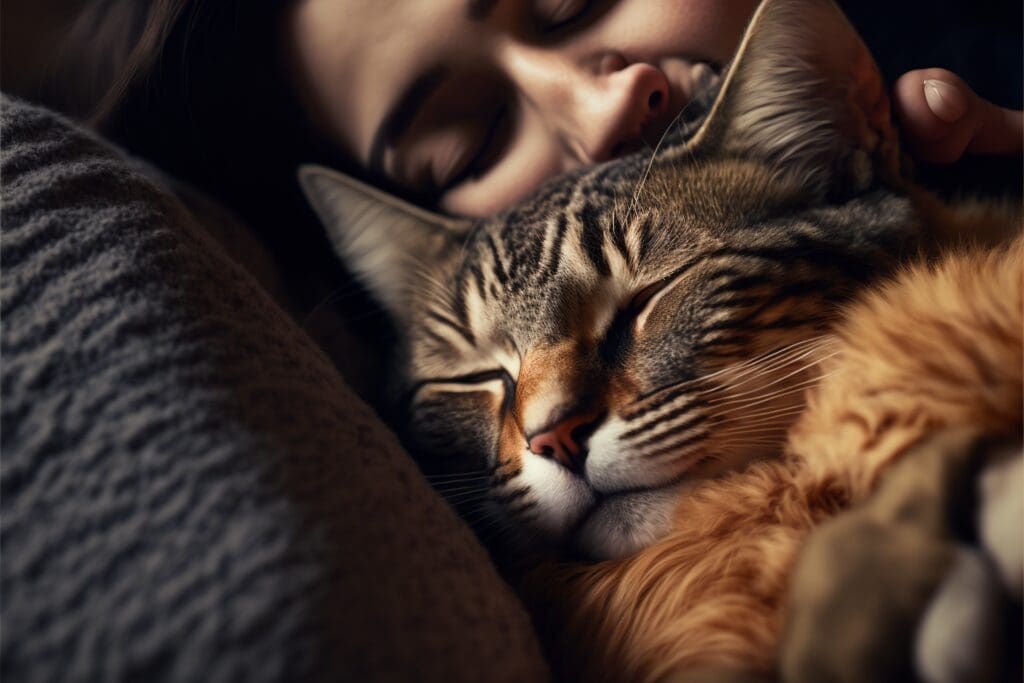
Does your cat always come to you when you’re reclining or laying in bed and snuggle into you? You might be wondering why your cat sleeps pressed up against you. Cats enjoy sleeping like this for the additional comfort and security. In this article, we’ll explore the reasons behind cats wanting to sleep pressed up against their pet parents!
Understanding Cat Behavior
Cats are natural predators and use their heightened sense of smell, hearing and sight to detect potential dangers. In the wild, cats sleep in secure places that provide protection from predators. As cats become domesticated, they often take comfort in being close to their owners, and sleeping pressed up against them is one way they can feel safe and secure.
The instinctive need for cats to stay close to their owners is also related to their social nature. Cats belong to a species known as “social cats”, which means that they crave companionship and the feeling of belonging. By sleeping pressed up against you, cats are sending a clear message that they feel part of your family and safe in your presence.
Cats also find comfort in touch. Research has shown that cats feel safer and more secure when they are touched. This is why cats often rub against their owners, purr, and knead when they are feeling content and secure. When cats press up against their owners, it is a sign that they feel safe and that they trust you.
Understand the Comfort of Touch
Cats are known to be independent and solitary creatures, but they still need comfort and security in their lives. By sleeping pressed up against you, your cat is expressing their trust in you and seeking out the comfort of touch. The warmth of your body can be incredibly soothing for cats, and some cats have even been known to purr when pressed up against a human companion. By allowing your cat to sleep near you, you are creating a bond of trust between the two of you and helping your cat feel safe and secure.
Discover the Unique Purr-sonality of Your Cat
It’s important to understand that cats are unique in their own way and that no two cats are exactly alike. While your cat may choose to sleep pressed up against you, another cat may prefer a different sleeping arrangement entirely. Cats have their own distinct personalities that influence the way they behave. Some cats like to be close to their owners and very affectionate, while other cats may be more independent and prefer to sleep away from their owners. Whatever the case may be, it’s important to remember that your cat is unique and that he or she will sleep according to their own individual purr-sonality.
Learn About the Science of Cat Naps
When it comes to understanding why cats may choose to sleep pressed up against you, it’s helpful to explore the science of cat naps. Cats are known for their frequent sleeping habits, and research suggests that cats tend to sleep about 70% of the day. During their sleeping period, cats may engage in more active behaviors such as dreaming, grooming, and stretching. Additionally, cats may also press up against their sleeping partners for comfort and security. This behavior is largely instinctual and cats may be seeking out a sense of protection from their environment. When cats press up against their sleeping partners, they are also releasing endorphins that are known to have calming effects. This could explain why cats choose to sleep pressed up against their owners and why it can be so comforting for both the cat and the owner.
The Benefits of Cat Co-Sleeping
We all know how precious sleep is and cats need it just like us. Co-sleeping with your cat can be an incredibly rewarding experience and can bring a plethora of benefits to both of you. Not only does it deepen the bond between you and your furry friend, but it also helps your cat to feel safe, secure, and relaxed. By sleeping close to you, your cat is able to take advantage of your body heat, providing warmth and comfort in a way that only a human companion can. Cats also feel a sense of safety and security when they sleep near you and often their purring can even act as a natural sedative, helping to induce a deeper and more restful sleep.
The Purrsuasion of Cuddling
Do cats cuddle out of affection, or is something else at play? Well, the answer is a combination of both. Cats are incredibly social creatures, and they love to show affection to their favorite humans. When cats curl up against you, it’s a sign of love and trust. Pressing against you is your cat’s way of saying “I like you, and I want to be close to you”. Even if your cat doesn’t like to be petted, they may still enjoy curling up against your side or even resting their head on your chest. This is their way of saying “I trust you, and I am comfortable around you”.
In addition to expressing affection, cuddling can also provide cats with a sense of security. When cats feel safe, they may choose to curl up closer to a human in order to feel even more protected. This behavior can also be a sign that your cat is content and relaxed. By cuddling up against you, your cat is releasing endorphins in their brain which helps them to relax and feel content.
So, if your cat is pressing up against you while they sleep, it is a sign of both love and trust. They may also be seeking extra comfort, security, and warmth. Of course, cats are all individuals, and the reasons they choose to cuddle up against you can vary from cat to cat.
How Cats Take Advantage of Body Heat
Cats have an innate ability to take advantage of body heat. When your cat sleeps pressed up against you, they are likely doing so to stay warm. This behavior is especially common during the colder months when cats are looking for a way to stay cozy and comfortable. Your cat will also use you as a source of warmth if they feel scared or stressed out. The closeness of their body to yours can help them to feel secure and safe.
The Benefits of Releasing Endorphins
The act of cats sleeping pressed up against us has beneficial effects for both us and our cats. When cats feel safe and secure, they release endorphins. Endorphins are hormones that act as natural painkillers and work to reduce stress and anxiety. This helps cats feel more relaxed and calm, and can even help them sleep better. It’s also beneficial for us, as endorphins released during cuddle sessions can lead to increased levels of happiness, improved moods, and even a better night’s sleep. Plus, the physical contact between cats and humans has been shown to be beneficial for both species.
Marking and Territorial Behavior
When cats sleep pressed up against us, it’s not just about comfort and relaxation. It’s also about marking and establishing territory. Cats have scent glands located in different areas of their body, including their cheeks, chin, tail, and paws. When your cat presses up against you, they are transferring their scent onto you. This is their natural way of claiming territory. They are trying to show that you are part of their tribe, and by sleeping on you, they are making it known to other cats that you are off-limits.
Examine How Food, Play and Environment Influence Sleep
The type of food a cat eats, the amount of play they engage in, and the environment they sleep in all play a role in how much and how well they sleep. The food a cat consumes can affect the amount of energy they have, which in turn affects the quality and quantity of sleep. A balanced diet with plenty of protein and nutrients is important for cats to get the restorative sleep they need. Regular exercise and playtime help cats to stay active and healthy. Providing a calm and comfortable environment for your cat to sleep in is also important. Your cat’s bed should be warm, quiet, and away from any potential dangers. By creating a peaceful, safe space for your cat to sleep, you can help ensure that your cat gets the restful sleep they need.