
Last Updated on July 9, 2023 by admin
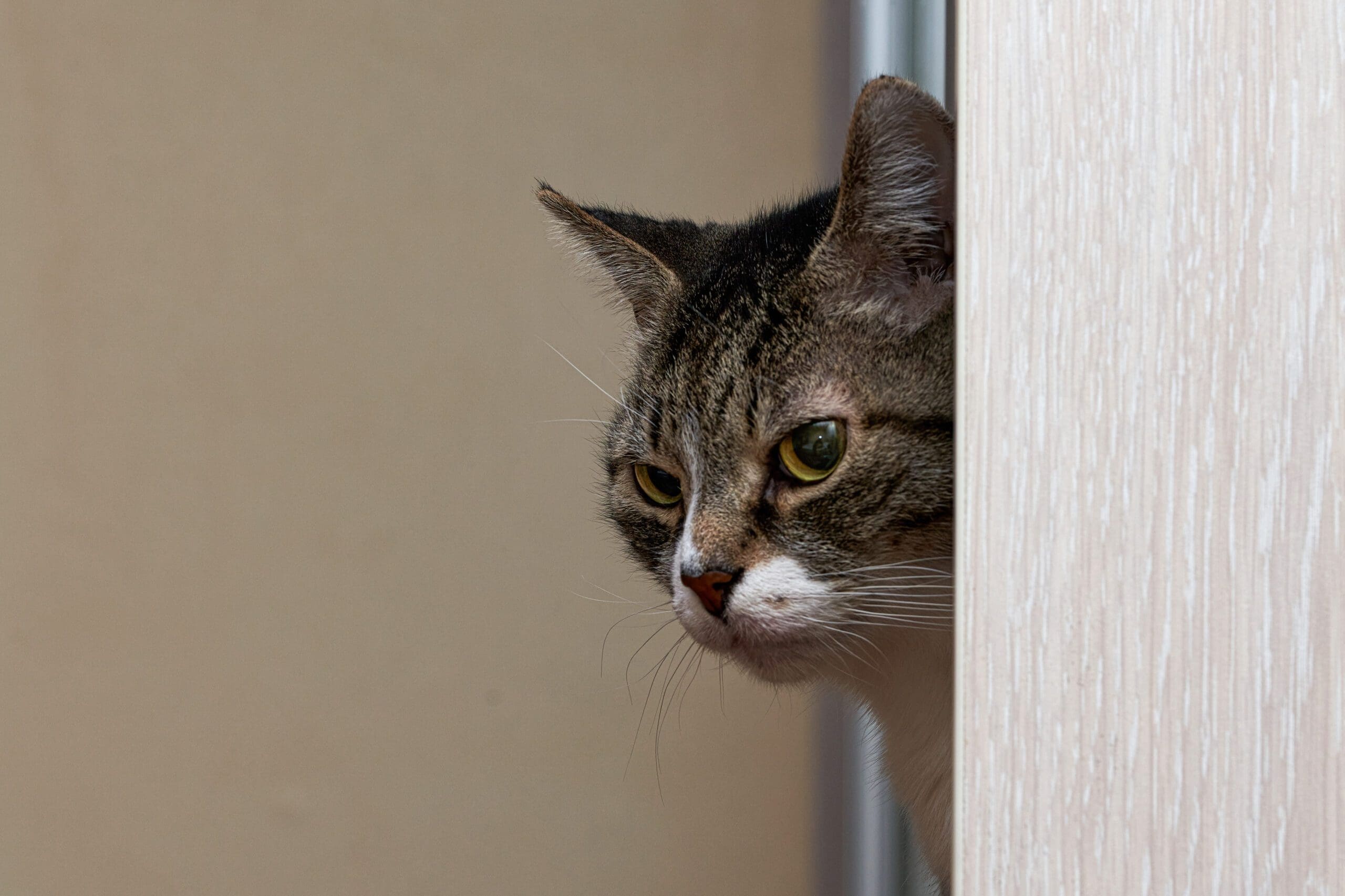
Cat parents can relate to this. You had a rough day and drank way too much coffee. Naturally you wake up at the most ungodly hour of the night to use the bathroom. You don’t even bother closing the door all the way because it’s so late at night but you sense a presence. Yup. It’s your cat.
Why Is My Cat Watching Me Use the Bathroom?
When you’re new to cat parenting it might seem a little strange to have your cat follow you to the bathroom just to watch you do your business. It might make some people nervous or self-conscious if they are not used to having cats in their house. Plus it just feels down right weird.
While the real reason will always be somewhat of a mystery there are several behaviors that can explain this strange quirk.
They Are Protecting You at Your Most Vulnerable Moment
The truth is we really don’t know where this behavior comes from since we can’t just go up to a cat and ask them. However, there are several explanations based on animal behavior that just makes sense. One theory is that they want to protect their owners while they use the bathroom. In the wild animals are very vulnerable when they defecate or urinate. It exposes them to danger because they need to let their guard down and relax to relieve themselves. Also the very act releases smells into the environment which gives their location away to predators. This is why many experts believe that cats cover their poop and run around the house afterwards.
They Can’t Stand Being Away From You
For humans the bathroom in their house is a very private place. Even in a crowded and lively house it’s usually the only room you can be alone in. Of course, that’s only if you don’t have cats. Even if you manage to shut your cat out of the bathroom, the cat might scratch and meow until you let it in. Aside from guarding you from unknown predators while you relieve yourself, the cat might just want to be close by.
Many cats just want to keep you in their sight unless they need their alone time. Cats can be very selfish like that. When you close yourself off from them by closing the bathroom door it only makes them more nervous and determined to get your attention. Once they gain access to the bathroom in most cases they have your undivided attention while you do your business. Many cats like to come over to be pet or even snuggle up in your underwear while you sit on the throne. It’s a nice cozy place to spend quality time with their human.
Enjoy Your Cat’s Company and Protection
I’m sure some of you will not want to hear this but unfortunately this is normal cat behavior. You might not like it at first and it might be very uncomfortable to always lock eyes with your cat when you’re using the bathroom. But your cat is just trying to protect you and keep you company. This is very natural behavior for the cat and trying to shut them out for your own privacy might just make their attention seeking worse or give them separation anxiety. It’s much easier for us humans to get used to cat behavior in such cases where nothing is harmed since it’s just a matter of getting used to it.
Why Do Cats Watch You in the Bathroom
Cats watch you in the bathroom because they are territorial animals and feel the need to keep an eye on their surroundings, fulfill their instinctual need to protect you, and simply want to be with you. They may also observe and understand your grooming habits.
Why Does My Cat Watch Me in the Bathroom
Your cat may watch you in the bathroom because they are territorial animals who feel the need to keep an eye on their surroundings and protect you. They may also be curious about what you are doing and enjoy the undivided attention in the restroom.