Can Cats Eat Sardines in Oil? Which Oils Are Safe (2026)

Last Updated on April 9, 2026 by admin

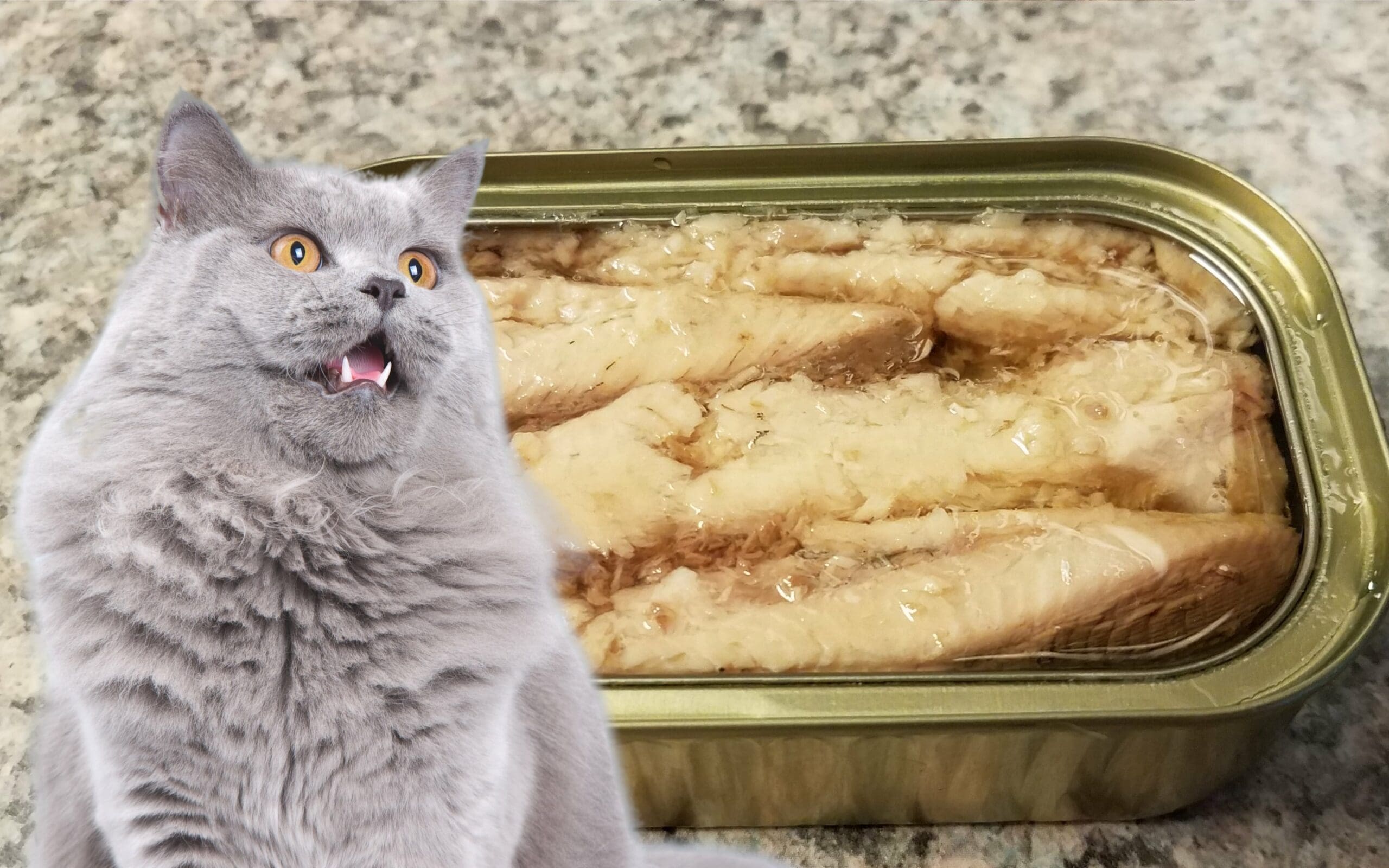
Cats can eat sardines packed in oil, but the oil type matters more than most owners realize. Sardines in olive oil are the safest canned option. Sardines in sunflower or soybean oil are not toxic but add omega-6 fats cats don’t need. Sardines in tomato sauce should be avoided entirely because the sauce almost always contains garlic or onion — both toxic to cats, according to the ASPCA.

The real issue with oil-packed sardines isn’t the oil itself — it’s the extra fat and sodium that come along for the ride. A 100g serving of canned sardines in oil contains roughly 208 calories, 12g of fat, and 300–400mg of sodium, per USDA data. For a 10-pound cat eating around 200 calories a day, even a small portion of undrained sardines adds up fast.

Olive Oil, Sunflower Oil, or Water — Which Is Best?

Olive oil is the safest oil option. Cats tolerate it well in small amounts, and it doesn’t carry specific health risks. The downside is that plant-based oils add calories without real nutritional benefit for cats — felines process animal fats more efficiently. Drain the can before serving.

Sunflower or soybean oil won’t poison your cat, but they’re high in omega-6 fatty acids. Most commercial cat foods already overrepresent omega-6, so adding more through sardine oil can push the omega-6 to omega-3 ratio in the wrong direction — canceling out the omega-3 benefit you’re trying to provide. If you have a cat with dry skin and want to use sardine oil as a supplement, the oil type matters even more.

Water or brine is the better choice overall. Less fat, fewer empty calories, and you skip the omega-6 problem entirely. The catch: brine means salt water, so sodium levels can still be high. Look for “no salt added” on the label. For more on water-packed options, see the full sardines guide.

Why Tomato Sauce Sardines Are Dangerous for Cats

Tomato sauce nearly always contains garlic powder, onion powder, or both. All allium species are toxic to cats — garlic is 3 to 5 times more potent than onion, according to the Merck Veterinary Manual. Cats are uniquely susceptible because their red blood cells are more vulnerable to the oxidative damage these compounds cause.

Even products that don’t list garlic explicitly may include tomato-based flavorings with trace alliums. The same caution applies to sardines in mustard, hot sauce, or any seasoned sauce. If the ingredient list goes beyond “sardines” and “oil” or “water,” skip it.

How Much Sardine Can a Cat Safely Eat?

One small sardine — roughly 25 to 30 grams — once or twice a week is a reasonable ceiling for a healthy adult cat. That delivers meaningful omega-3s (sardines provide about 982mg of combined EPA and DHA per 100g, per USDA nutritional data) without pushing sodium or fat into problematic territory.

Fish should stay in the “treat” category, not become a protein staple. Daily sardine feeding risks cumulative sodium load and, over months, mercury buildup — even though sardines carry far less mercury than larger fish like tuna. Cats with kidney disease, heart conditions, or urinary issues need extra caution, since both sodium and phosphorus can accelerate these problems.

How to Prepare Oil-Packed Sardines for Your Cat

Drain the can completely — tip it over the sink for a minute or two, then press gently with a fork. Rinse the sardine under cold running water for 10 to 15 seconds to strip residual oil and surface sodium. Serve at room temperature, since food straight from the fridge can trigger digestive upset in sensitive cats.

Sardine bones are soft and safe for most cats. They’re fully edible and provide a small calcium boost. For elderly cats or those with dental issues, mash the sardine with a fork before serving.

Before buying, check the ingredient label. The only ingredients should be sardines and the packing medium (oil, water, or brine). Avoid anything listing garlic, onion, spices, soy sauce, or chili. If you’re curious about smoked sardines, those carry additional sodium from the smoking process and are a worse choice than plain canned.

Sardines vs. Other Fish Options for Cats

Sardines rank among the safest fish for cats because they’re small and short-lived — meaning less mercury accumulation than tuna, mackerel, or swordfish. The FDA’s mercury monitoring data consistently places sardines in the lowest-mercury category alongside anchovies and herring.

For comparison: squid is also low in mercury but delivers less omega-3 per serving. Imitation crab is low in mercury but heavily processed and high in sodium. Cockles are safe when cooked but carry a paralytic shellfish toxin risk depending on harvest location. Raw sardines skip the oil and sodium concerns but introduce a small bacterial contamination risk.

Can Sardine Oil Improve a Cat’s Coat?

The omega-3 fatty acids in sardines — EPA and DHA specifically — do support skin barrier function and coat quality. That part is well-supported by veterinary nutrition research. But sardine oil scooped from a can is an unreliable source: EPA/DHA concentration varies between brands, and oil that’s been sitting in a can may have oxidized, reducing its benefit.

A dedicated fish oil supplement made for cats gives a measured, consistent dose you can adjust by body weight. Dr. Jennifer Coates, a veterinary advisor for PetMD, recommends using supplements with verified EPA/DHA content rather than relying on food-grade canned fish oil. Olive oil alone doesn’t provide EPA or DHA — it’s a different type of fat entirely.

Signs Your Cat Ate Too Many Sardines

If your cat got into a full can or drank the brine, watch for vomiting, diarrhea, excessive thirst, lethargy, or drooling within the next few hours. Excessive thirst is the clearest flag for sodium overload — the National Research Council notes that cats’ safe upper sodium limit is above 1.5% of diet dry matter, but a full can of salted sardines can blow past that in one sitting.

A single episode of overindulgence typically resolves within 24 hours with access to fresh water. If symptoms persist past a day, or your cat seems disoriented or won’t eat, call your vet.

Frequently Asked Questions

Can kittens eat sardines in oil?

In very small amounts, yes — once a kitten is reliably eating solid food, around 4 to 5 weeks old. Offer a tiny piece of well-drained, rinsed sardine. Their primary nutrition needs to come from a complete kitten formula during this growth stage.

Can cats eat sardines in oil every day?

Daily sardines aren’t a good idea. Cumulative sodium, excess fat from the packing oil, and gradual mercury buildup all make daily fish feeding inadvisable. Once or twice a week is the sensible upper limit for most cats.

Are sardines in spring water better than sardines in oil for cats?

Yes. Water-packed sardines are lower in fat, skip the omega-6 problem, and let you focus on the fish itself. Sodium can still be an issue with brine-packed versions, so check for “no salt added” on the label.