
Last Updated on January 22, 2023 by admin
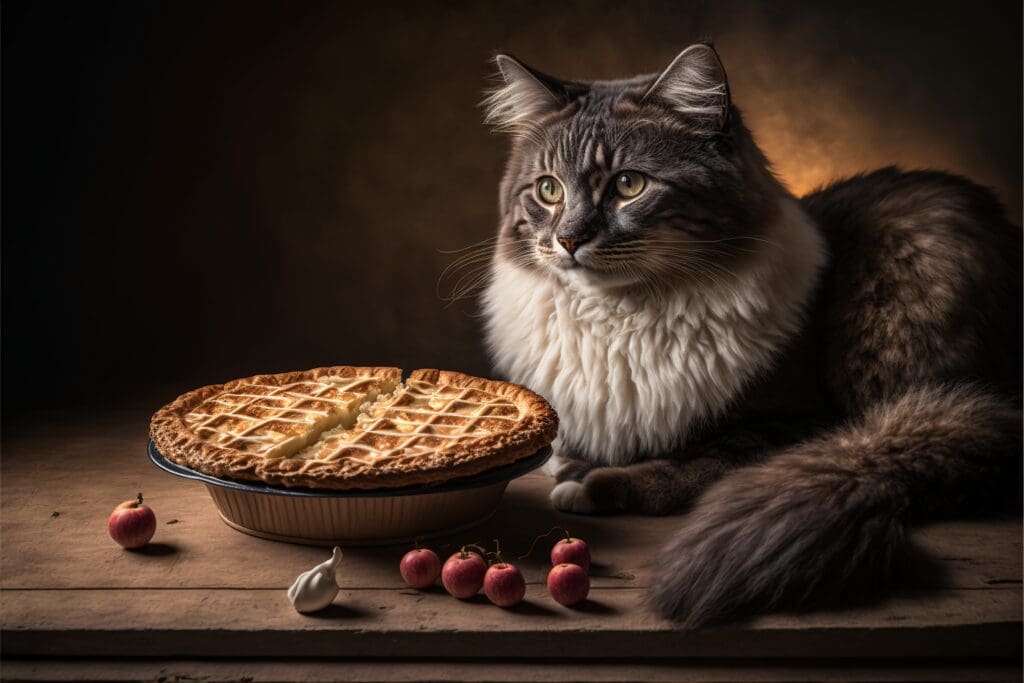
No, cats should not eat pie. Whether a pie is toxic to cats or not depends on the ingredients. But pies have no nutritional value to cats and in rare cases toxic. Pumpkin pie, in particular, should be avoided, as it contains nutmeg and allspice which are toxic to cats. Sweet potato pie should also be avoided as it typically contains additional toppings and spices which are not healthy for cats. Generally, pies should be avoided by cats. If given against these guidelines it should be occasionally and in small amounts. Even then, it should be ensured that the pie is cooked properly and does not contain any additional spices, toppings or fats. Therefore, it is best to avoid giving cats pie altogether.
Pie Crust Is Not Good for Kitties
Pie crust is not good for kitties due to its high fat content, either butter or vegetable shortening, and high calorie count relative to nutritional value. Although it is safe to give cats baked dough, as the yeast has been ‘killed’ during the cooking process, it is important not to give them apple pie crust, as it is difficult for them to digest. Weight gain and other health issues can be caused by eating pastry products with excess sugar and carbohydrates. It is thus best to avoid giving cats breads, pies, cakes or biscuits. However, a very small piece of pecan or apple pie can be given as an occasional treat. Pumpkin pies should be off limits though, due to the spices that are used in them. Raw dough should also be avoided at all costs as it can be poisonous for cats due to the active yeast found in it. Therefore, it is best to stick to healthy alternatives such as fruits and vegetables when giving snacks to your cat.
Pecan and Apple Pie: Occasional Treats
Pecan and apple pie can be enjoyed as an occasional treat by cats, although they are not a great source of nutrition. Like pecan and apple pie, a very small piece won’t hurt your pet, but it’s important to remember that cats are carnivores and their diet should consist primarily of meat. While it’s true that their curiosity may draw them to sweet treats like pecan or apple pie, it’s best to deny them or ensure that these treats are given in moderation.
Pie Is Not Poisonous to Cats
While pie is not poisonous to cats, remember that cats are carnivores and their stomachs are not designed to digest carbohydrates like those found in pies. Sweet potato pie should be off limits for cats due to its high sugar content, as well as any other pies that contain spices or sweeteners. Pumpkin pie is not toxic to cats, however, the spices used in these pies can be unhealthy for them. Cats should also avoid Key Lime Pie as the key lime ingredient itself is known to be toxic for them. It is best to opt for healthy alternatives like bread or other cat friendly treats instead of human food.
Rhubarb Poisoning in Cats
Rhubarb is an edible plant, but caution should be taken when feeding it to cats as the leaves are poisonous and can lead to rhubarb poisoning. The stalks of the plant are safe for cats to consume, but it’s important to be aware of the potential risks that the leaves pose. Cats should be prevented from eating raw rhubarb leaves as they contain high levels of insoluble oxalates which can cause kidney failure, tremors and salivation in cats. If you choose to give your cat a treat of rhubarb, ensure that it is cooked as this will reduce the oxalic acid levels and make it safer for your kitty. However, if you really care about your cat, you should keep cats away from rhubarbs completely.
Spices in Pumpkin Pie Are Unhealthy
Although pumpkin is a safe food for cats, it should not be served in the form of a pumpkin pie. This is because pumpkin pies contain additional ingredients like sugar, spices and milk, which can be harmful to cats. Spices like nutmeg, allspice and clove are known to be toxic to cats, and can lead to serious health problems if ingested. Therefore, when it comes to pie, cats should steer clear of all desserts containing these spices, including pumpkin pie.
Sweet Potato Pie Should Be Off Limits
Sweet Potato Pie should be off-limits for cats. Preparing this side dish usually requires the addition of milk, brown sugar, and other sweeteners such as Karo or maple syrup, which cats shouldn’t consume. Moreover, the spices used in pumpkin pie are also unhealthy for cats and could cause vomiting and other serious symptoms of poisoning. Therefore, it’s best to provide your kitty with healthier alternatives like plain, cooked sweet potatoes as a treat instead of pie.
Can Cats Eat Pumpkin Pie?
Can Cats Eat Pumpkin Pie? While pumpkin itself is safe for cats, the other ingredients traditionally found in pumpkin pie, like sugar, nutmeg, and allspice, can prove to be harmful. Therefore, it is best to avoid giving your cat a slice of pumpkin pie as a treat. Instead, offer your kitty a healthier alternative like bread or sweet potato.
Bread Is Better than Pie, Cake and Biscuits
Bread is a much healthier option for cats than pie, cake, and biscuits, as it contains fewer carbohydrates and fat. However, this is relatively speaking since bread is a very poor choice compared to meat based foods. The yeast and raw dough found in bread can also be dangerous for cats as it can cause stomach bloating and gas. It’s important to check the ingredients in human food before you consider giving it to your cat, as some sweetened, salted, spicy or oily foods can be toxic to cats. To keep your cat healthy and happy, you should offer them healthy alternatives such as low-sugar snacks or fresh fruits and vegetables.
Toxic Ingredients in Human Food for Cats
While some human foods, such as plain 100% pumpkin, can be safe for cats in moderation, there are many ingredients found in pies and other desserts that can be toxic to cats. Grapes and raisins, for example, can be poisonous to cats and should be avoided. Onions, garlic, shallots, and spring onions can also cause damage to your cat’s red blood cells and lead to anaemia. Additionally, two ingredients found in many desserts, theobromine and caffeine, are also toxic to cats. As such, avoid giving cats these desserts or any other human food that contains these ingredients. If you are unsure whether an ingredient is safe for your cat, talk to your veterinarian for more information.
Healthy Alternatives to Human Food for Cats
Cats can enjoy a variety of healthy alternatives to human food, such as skinless chicken, lean beef, liver, lamb, lean deli meats, and cooked eggs. If you are considering a raw diet because of its health benefits, be sure to consult with your veterinarian first. Remember that pies and other human food should not be used as a substitute for cat treats despite what your cat tells you. It is safer for your cat to avoid any kind flavoring or seasoning that many human foods have a lot of. It is best to stick to cat food, cat treats, and meat.