
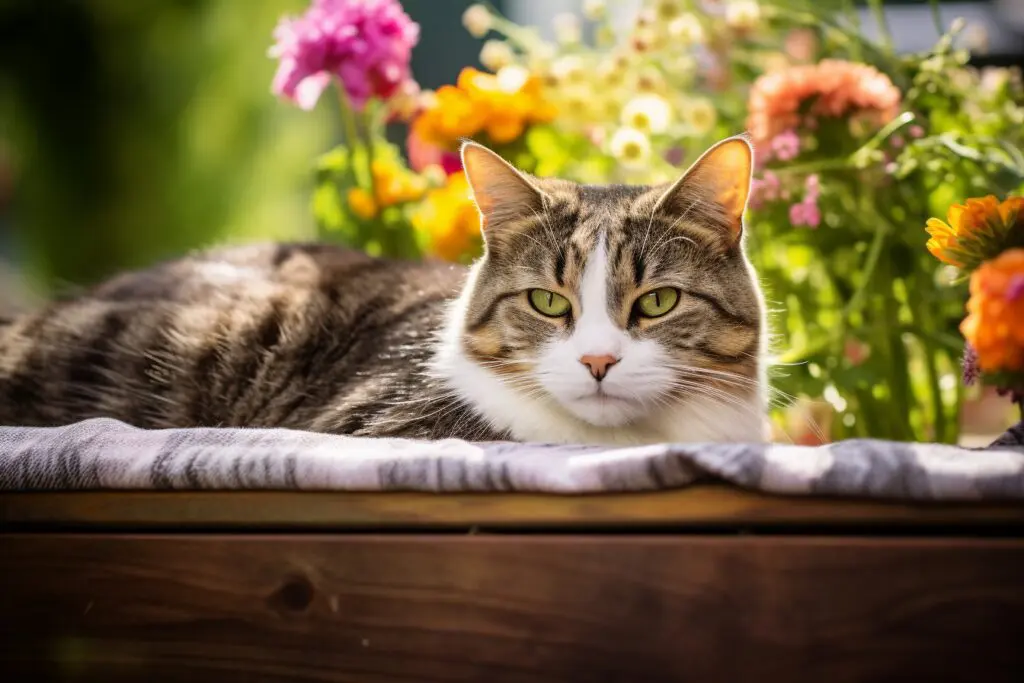
Last Updated on March 18, 2026 by admin
Black Bengal Cats: Unraveling the Enigma
Discover the captivating world of Black Bengal cats, a mesmerizing breed often referred to as “mini leopards” or “toy leopards.” These striking felines, known for their captivating appearance and engaging personalities, have captured the hearts of cat enthusiasts worldwide. Dive into this comprehensive guide to uncover the secrets behind these enigmatic creatures, exploring their unique characteristics, care requirements, and fascinating quirks.
Black Bengal cats are a domestic breed resembling small leopards. They are intelligent, active, and vocal cats who love to climb, play, and be around people. They typically weigh 8-12 pounds and have a lifespan of 12-16 years. Black Bengals are prone to certain health issues and require a high-protein diet. They are relatively low-maintenance when it comes to grooming and generally get along well with other pets.
Key Takeaways:
Black Bengal cats are a domestic cat breed resembling the small leopard.
They are intelligent, active, and vocal cats that enjoy climbing, playing, and being around people.
Black Bengals are prone to certain health conditions like Feline Diabetes Mellitus, Hyperthyroidism, Renal Disease, and Hypertrophic Cardiomyopathy.
They require a high-protein diet and are relatively low-maintenance when it comes to grooming.
Black Bengals are known for their playful, curious, and friendly nature, often getting along well with other cats and cat-friendly dogs.
* One of the Rarest Bengal Cat Colors
Black Bengal Cats: Unveiling the Mystery of the Rarest Bengal Cat Color
Among the captivating world of Bengal cats, the black Bengal stands out as a true rarity, captivating cat enthusiasts with its sleek, panther-like appearance and striking personality. This article delves into the fascinating world of black Bengal cats, answering common questions and providing insights into their unique characteristics, care requirements, and captivating nature.
1. What Makes Black Bengal Cats So Rare?
Black Bengal cats are a rare sight due to the intricate genetic factors that determine their distinctive coat color. The black coloration is a result of a recessive gene that is not commonly found in Bengal cats, making each black Bengal a precious gem in the feline world.
2. Do Black Bengal Cats Resemble Leopards?
Indeed, black Bengal cats often draw comparisons to small leopards due to their striking black coats adorned with mesmerizing rosettes. These rosettes, reminiscent of leopard spots, are unique to each cat, creating a captivating tapestry of patterns that adds to their allure.
3. Are Black Bengal Cats Intelligent and Active?
Black Bengal cats are renowned for their intelligence and boundless energy. They possess a curious and playful nature, thriving on interactive play sessions and engaging activities that stimulate their sharp minds.
4. Do Black Bengal Cats Enjoy Climbing and Playing?
Black Bengal cats are natural climbers and love to scale cat trees, furniture, and any elevated perch they can find. They also delight in interactive play sessions, chasing toys, and engaging in playful antics that showcase their agility and grace.
5. Are Black Bengal Cats Affectionate and People-Oriented?
Black Bengal cats are known for their affectionate and people-oriented nature. They thrive on human companionship and seek out attention and cuddles from their beloved owners. These cats form strong bonds with their families and enjoy being a part of daily activities.
6. Are Black Bengal Cats Prone to Specific Health Issues?
While generally healthy, black Bengal cats may be prone to certain health conditions, including hyperthyroidism, polycystic kidney disease, and retinal atrophy. Regular veterinary checkups and a balanced diet are crucial for maintaining their well-being.
7. What is the Ideal Diet for Black Bengal Cats?
Black Bengal cats require a high-protein diet to support their active lifestyle and maintain their lean muscle mass. A diet rich in animal-based proteins, such as chicken, fish, and lamb, is essential for their optimal health.
8. Are Black Bengal Cats Low-Maintenance When it Comes to Grooming?
Black Bengal cats are relatively low-maintenance when it comes to grooming. Their short, dense coats require weekly brushing to remove dead hair and maintain their sleek appearance. Regular nail trims and dental care are also important aspects of their grooming routine.
9. Do Black Bengal Cats Get Along Well with Other Pets?
Black Bengal cats can generally get along well with other pets, including dogs and other cats, provided they are properly socialized from a young age. Their playful and curious nature often leads to harmonious relationships with other household companions.
10. Are Black Bengal Cats Playful, Curious, and Friendly?
Black Bengal cats are known for their playful, curious, and friendly nature. They love to explore their surroundings, engage in interactive play sessions, and seek out attention from their human companions. Their affectionate and social demeanor makes them delightful additions to loving homes.
How Rare Is a Black Bengal?
Black Bengal cats are a striking and rare breed, captivating cat enthusiasts with their sleek black coats and striking green eyes. These majestic felines have a unique appearance that sets them apart from other Bengal cats, making them highly sought after by cat lovers worldwide.
The rarity of black Bengal cats is a topic of interest among cat enthusiasts. While there is no definitive answer to how rare they are, it is generally accepted that they are less common than other Bengal cat colors. This is due to the fact that the black color is a recessive gene, meaning that both parents must carry the gene for the kitten to be born black.
Black Bengal cats are known for their distinctive appearance, which is characterized by a jet-black coat with a shimmering, glittery effect. This unique coat is the result of a genetic mutation that causes the fur to reflect light in a way that creates a mesmerizing sparkle. The black color of their coat is often accompanied by striking green eyes, which further enhances their captivating appearance.
In addition to their striking appearance, black Bengal cats are also known for their playful, curious, and friendly nature. They are highly intelligent and active cats that enjoy climbing, playing, and being around people. They are also known for their vocal nature, often communicating with their owners through a variety of meows and chirps.
Black Bengal cats are relatively low-maintenance when it comes to grooming. Their short, dense coats require minimal brushing to keep them looking their best. They are also generally healthy cats, although they may be prone to certain health conditions such as hyperthyroidism and dental disease.
Overall, black Bengal cats are a rare and captivating breed that is sure to turn heads wherever they go. Their striking appearance, playful nature, and low-maintenance grooming needs make them a popular choice among cat lovers.
* Black Bengal Cat Rarity:
Black Bengal Cat Rarity: Unraveling the Mystery of the Elusive Feline
The black Bengal cat, a captivating feline with its sleek, lustrous coat and striking green eyes, holds a unique place in the world of cats. Renowned for its rarity, the black Bengal cat is a prized possession among cat enthusiasts, captivating hearts with its distinctive appearance and enchanting personality.
Unveiling the Rarity of the Black Bengal Cat
Black Bengal cats are a relatively rare sight, making up only a small percentage of the Bengal cat population. This rarity stems from the fact that the black color is a recessive gene, meaning that both parents must carry the gene for the kitten to inherit the black coat. The rarity of the black Bengal cat adds to its allure, making it a highly sought-after breed among cat lovers.
Exploring the Enigmatic Nature of Black Bengal Cats
Black Bengal cats possess a captivating aura, captivating all who lay eyes upon them. Their striking black coats, reminiscent of miniature leopards, exude an air of elegance and mystery. These cats are not only visually stunning but also incredibly intelligent, exhibiting an insatiable curiosity and a playful, affectionate nature.
Unveiling the Personality Traits of Black Bengal Cats
Black Bengal cats are renowned for their playful, curious, and friendly nature. They are highly active and enjoy climbing, playing, and engaging in interactive activities with their human companions. These cats thrive on human interaction and form strong bonds with their owners, becoming loyal and devoted companions.
Ensuring the Well-being of Black Bengal Cats
Black Bengal cats, like all felines, require proper care and attention to thrive. Providing them with a high-protein diet, ensuring regular grooming, and creating a stimulating environment are essential for their well-being. These cats are generally low-maintenance when it comes to grooming, but regular brushing helps maintain their lustrous coats and prevent matting.
Black Bengal cats, with their captivating beauty, playful nature, and rarity, hold a special place in the hearts of cat enthusiasts. Their striking appearance, coupled with their affectionate and intelligent personalities, makes them highly sought-after companions. While their rarity adds to their allure, it also emphasizes the importance of responsible breeding practices to preserve this unique and captivating feline breed.
* Regular Veterinary Checkups Essential
Black Bengal Cats: Questions Answered
Black Bengal cats, with their striking leopard-like appearance, intelligence, and playful nature, have captured the hearts of cat enthusiasts worldwide. These captivating felines, however, come with unique needs and considerations. To ensure the well-being and happiness of your Black Bengal, let’s delve into some frequently asked questions and provide comprehensive answers.
1. What are the essential aspects of caring for a Black Bengal cat?
Black Bengals, like all cats, require a balanced diet, regular exercise, and a stimulating environment. They thrive on high-protein food, regular playtime, and access to climbing structures or cat trees to satisfy their natural instincts. Additionally, regular grooming is recommended to maintain their sleek coat and prevent matting.
2. How often should I take my Black Bengal cat to the vet?
Regular veterinary checkups are crucial for the health and well-being of your Black Bengal cat. It is recommended to take your cat for annual checkups, or more frequently if any health concerns arise. These checkups allow your veterinarian to assess your cat’s overall health, monitor their weight, and provide necessary vaccinations.
3. What are some common health issues associated with Black Bengal cats?
Black Bengals are generally healthy cats, but they are prone to certain health conditions, including hyperthyroidism, dental disease, and respiratory infections. Regular veterinary checkups and preventive care can help detect and manage these conditions early on, ensuring your cat’s long-term health.
4. Are Black Bengal cats hypoallergenic?
While no cat breed is entirely hypoallergenic, Black Bengals are considered a relatively low-allergen breed. They produce less Fel d 1, the protein responsible for allergic reactions in humans, compared to other cat breeds. However, it’s essential to note that individual sensitivities may vary, and it’s always advisable to spend time with a Black Bengal before committing to adoption to assess your allergic response.
5. How do I ensure my Black Bengal cat is well-socialized?
Black Bengals are naturally social and playful cats. To ensure proper socialization, introduce them to various people, including children and other pets, from an early age. Regular playtime and interactive activities will help them develop positive social skills and prevent boredom.
6. What is the average lifespan of a Black Bengal cat?
With proper care and nutrition, Black Bengals can have a lifespan of 10 to 15 years. Regular veterinary checkups, a balanced diet, and a stimulating environment contribute to their overall health and longevity.
7. Are Black Bengal cats suitable for apartment living?
Black Bengals can adapt to apartment living, provided they have adequate space and opportunities for exercise and play. Vertical space, such as cat trees and climbing structures, is essential to satisfy their natural climbing instincts. Regular playtime and interactive toys will also help keep them mentally and physically stimulated.
Remember, each Black Bengal cat is unique, and their needs may vary. Consulting with your veterinarian and providing a loving and supportive home are essential for ensuring the happiness and well-being of your feline companion.
* Prone to Certain Genetic Health Conditions
Black Bengal Cats: Unveiling the Mysteries Surrounding Their Health and Well-being
Black Bengal cats, with their striking resemblance to small leopards, have captured the hearts of cat enthusiasts worldwide. While their captivating appearance and playful nature make them highly sought-after companions, it’s essential to understand the potential genetic health conditions associated with this breed.
Prone to Certain Genetic Health Conditions: A Closer Look
Black Bengal cats may inherit genetic health conditions from their parent breeds, the Asian Leopard Cat and the domestic shorthair. These conditions can range from mild to severe and may require ongoing medical management or treatment.
Hypertrophic Cardiomyopathy: A Heart Muscle Disease
Hypertrophic cardiomyopathy (HCM) is a common heart muscle disease found in Black Bengal cats. This condition causes the heart muscle to thicken, making it difficult for the heart to pump blood effectively. HCM can lead to heart failure and sudden death if left untreated.
Progressive Retinal Atrophy: A Degenerative Eye Disease
Progressive retinal atrophy (PRA) is a degenerative eye disease that affects Black Bengal cats. This condition causes the gradual deterioration of the retina, leading to blindness. PRA typically begins in early adulthood and progresses over time.
Other Potential Health Issues: A Comprehensive Overview
In addition to HCM and PRA, Black Bengal cats may also be susceptible to various other health issues, including:
Fleas and ticks: These parasites can cause skin irritation, anemia, and transmit diseases.
Parasites: Internal parasites, such as roundworms and hookworms, can cause digestive problems and malnutrition.
Asthma: This respiratory condition can cause coughing, wheezing, and difficulty breathing.
Lordosis: This spinal deformity causes the spine to curve downward, leading to back pain and difficulty walking.
Pectus excavatum: This chest deformity causes the sternum to sink inward, affecting heart and lung function.
Pyruvate kinase deficiency: This enzyme deficiency can cause anemia and weakness.
Hip Dysplasia, Luxating Patella, and FIP: Additional Concerns
Black Bengal cats may also be at risk for hip dysplasia, a condition where the hip joint doesn’t develop properly, leading to pain and lameness. Luxating patella, a condition where the kneecap dislocates, is another potential concern. Additionally, Black Bengal cats may be susceptible to feline infectious peritonitis (FIP), a deadly viral disease.
Factors Influencing Health Risks: A Closer Examination
The risk of developing these health conditions varies among individual Black Bengal cats and depends on several factors, including:
Genetics: The cat’s genetic makeup plays a significant role in determining its susceptibility to certain health conditions.
Lifestyle: A healthy diet, regular exercise, and proper veterinary care can help reduce the risk of developing health problems.
Overall health: A cat’s overall health and immune system strength can influence its ability to fight off infections and diseases.
Black Bengal cats are beautiful and captivating companions, but it’s essential to be aware of the potential health conditions they may face. Responsible cat ownership involves regular veterinary checkups, a healthy lifestyle, and prompt attention to any signs of illness. By understanding the potential health risks associated with Black Bengal cats, cat owners can provide the best possible care for their feline friends, ensuring a long and healthy life together.
* Distinctive Black Coat With Rosettes
Black Bengal Cats: Unraveling the Mystery of the Panther-Like Felines
Immerse yourself in the captivating world of Black Bengal cats, a breed that exudes elegance, intelligence, and an aura of wild beauty. With their distinctive black coat adorned with mesmerizing rosettes, these felines resemble miniature leopards, captivating the hearts of cat enthusiasts worldwide. This comprehensive guide delves into the intriguing world of Black Bengal cats, answering frequently asked questions and unveiling the unique characteristics that make them such extraordinary companions.
1. What Sets Black Bengal Cats Apart?
Black Bengal cats stand out amidst the feline world due to their striking black coat, which serves as a canvas for intricate rosettes. These rosettes, reminiscent of those found on wild cats like leopards, are captivating patterns that add to the mystique of this breed.
2. Are Black Bengal Cats Truly Black?
While Black Bengal cats possess a predominantly black coat, it’s not uncommon for them to exhibit subtle hints of other colors, such as brown or silver, peeking through the darkness. These subtle variations add depth and dimension to their coats, making each cat a unique work of art.
3. How Active Are Black Bengal Cats?
Black Bengal cats are renowned for their boundless energy and playful nature. They thrive on interaction and stimulation, making them ideal companions for active individuals or families. Their love for climbing, pouncing, and exploring keeps them constantly engaged and entertained.
4. Do Black Bengal Cats Require Special Grooming?
Despite their luxurious coats, Black Bengal cats are relatively low-maintenance when it comes to grooming. Regular brushing once or twice a week is sufficient to keep their coats healthy and free of tangles. Their short, dense fur doesn’t require frequent bathing, making them a convenient choice for busy cat owners.
5. What Dietary Needs Do Black Bengal Cats Have?
Black Bengal cats, like all felines, are obligate carnivores, meaning they require a diet rich in animal protein. High-quality cat food formulated specifically for their nutritional needs is essential for maintaining their health and vitality. Consult with your veterinarian to determine the ideal diet for your Black Bengal cat based on their age, activity level, and any specific health conditions.
6. Are Black Bengal Cats Prone to Health Issues?
While generally healthy, Black Bengal cats may inherit certain genetic health conditions, including hypertrophic cardiomyopathy, a heart condition, and progressive retinal atrophy, which can lead to vision loss. Regular veterinary checkups and genetic screening can help identify potential health risks and ensure early intervention if necessary.
7. What is the Lifespan of a Black Bengal Cat?
With proper care and attention, Black Bengal cats can enjoy long and fulfilling lives. On average, their lifespan ranges from 10 to 15 years, although some individuals may live even longer. Providing them with a healthy diet, regular exercise, and a loving home contributes to their overall well-being and longevity.
8. Are Black Bengal Cats Friendly and Affectionate?
Black Bengal cats are known for their friendly and affectionate nature. They thrive on human interaction and form strong bonds with their owners. These cats enjoy cuddling, playing, and being the center of attention. Their intelligence and playful demeanor make them delightful companions for individuals and families alike.
9. Can Black Bengal Cats Coexist with Other Pets?
Black Bengal cats can coexist peacefully with other pets, including dogs, if properly introduced and socialized. Their adaptability and friendly nature allow them to form harmonious relationships with other animals in the household. However, it’s essential to supervise interactions initially and provide separate spaces for each pet to ensure their comfort and safety.
10. Where Can I Find a Black Bengal Cat?
If you’re considering welcoming a Black Bengal cat into your life, reputable breeders specializing in this breed are the best source. These breeders ensure the health and well-being of their cats and provide valuable guidance on caring for your new feline companion. Thoroughly research potential breeders and visit their facilities to assess the conditions in which the cats are raised.
* Black Bengal Cat Cost:
Black Bengal Cat Questions Answered
Black Bengal cats are a striking and unique breed, known for their striking black coats and wild appearance. They are also intelligent, active, and playful, making them a popular choice for pet owners. But before you bring a Black Bengal cat into your home, there are a few things you should know.
1. How much does a Black Bengal cat cost?
The cost of a Black Bengal cat can vary depending on the breeder, the cat’s age, and its quality. Generally, you can expect to pay between $1,000 and $2,500 for a Black Bengal cat.
2. What are the characteristics of a Black Bengal cat?
Black Bengal cats are typically medium to large in size, with males weighing between 10 and 15 pounds and females weighing between 8 and 12 pounds. They have a muscular build and a long, slender body. Their coats are short and dense, with a striking black color. Black Bengal cats also have large, expressive eyes that are typically green or gold in color.
3. What is the temperament of a Black Bengal cat?
Black Bengal cats are known for their friendly and playful temperament. They are intelligent and curious, and they love to play. They are also very social and enjoy spending time with their owners. However, Black Bengal cats can also be independent and stubborn, so they may not be the best choice for first-time cat owners.
4. What are the health problems associated with Black Bengal cats?
Black Bengal cats are generally healthy cats, but they can be prone to certain health problems, including hypertrophic cardiomyopathy (HCM), progressive retinal atrophy (PRA), and patellar luxation. HCM is a condition that causes the heart muscle to thicken, which can lead to heart failure. PRA is a condition that causes the retina to deteriorate, which can lead to blindness. Patellar luxation is a condition that causes the kneecap to dislocate.
5. What is the lifespan of a Black Bengal cat?
The average lifespan of a Black Bengal cat is between 10 and 15 years. However, with proper care and nutrition, some Black Bengal cats can live for up to 20 years.
* Regular Brushing to Maintain Coat Health
Black Bengal Cats: Questions Answered
Black Bengal cats, with their striking coats and captivating personalities, have become increasingly popular among cat enthusiasts. If you’re considering bringing one of these beautiful felines into your home, you may have questions about their care and well-being. Here are some frequently asked questions about Black Bengal cats, along with their answers:
1. What is the significance of regular brushing for Black Bengal cats?
Regular brushing is essential for maintaining the health and beauty of a Black Bengal cat’s coat. Their dense, luxurious fur requires weekly brushing to remove loose hair, prevent mats, and distribute natural oils throughout the coat. This not only keeps the cat’s coat looking its best but also helps prevent skin problems and discomfort.
2. How often should I bathe my Black Bengal cat?
Black Bengal cats are generally low-maintenance when it comes to bathing. Unlike many other cat breeds, they don’t require frequent baths. In fact, bathing them too often can strip their coat of its natural oils, leading to dryness and skin irritation. A bath once every few months is usually sufficient, unless your cat gets particularly dirty or has skin problems.
3. What kind of diet is best for a Black Bengal cat?
Black Bengal cats, like all cats, are obligate carnivores, meaning they require a diet high in animal protein. A high-quality cat food that is specifically formulated for Bengal cats is the best choice. These foods are typically rich in protein and low in carbohydrates, which helps maintain a healthy weight and prevents obesity.
4. Are Black Bengal cats friendly and playful?
Black Bengal cats are known for their friendly and playful personalities. They are intelligent and curious, and they love to interact with their human companions. They are also very active and enjoy playing games and exploring their surroundings.
5. What are some common health conditions that affect Black Bengal cats?
Black Bengal cats are generally healthy and robust, but they may inherit certain genetic health conditions, including hypertrophic cardiomyopathy (HCM) and progressive retinal atrophy (PRA). HCM is a heart condition that can lead to heart failure, while PRA is an eye condition that can lead to blindness. Regular veterinary checkups and screenings can help detect and manage these conditions early on.
By providing your Black Bengal cat with proper care and attention, you can help ensure that it lives a long and healthy life. Remember, regular brushing, a balanced diet, and regular veterinary checkups are essential for maintaining the well-being of your feline friend.
* Black Bengal Cat Grooming:
Black Bengal Cat Grooming: Questions About Black Bengal Cats Answered
Black Bengal cats, with their striking leopard-like coats, are intelligent, active, and playful companions. They require a high-protein diet and low-maintenance grooming, making them a popular choice for cat enthusiasts. Here are some frequently asked questions about Black Bengal cats and their grooming needs:
- How Often Should I Groom My Black Bengal Cat?
Regular grooming is essential for keeping your Black Bengal cat’s coat healthy and free of mats. Weekly brushing is recommended to remove loose hair, prevent mats, and keep claws trimmed and ears clean.
- What Kind of Brush Should I Use on My Black Bengal Cat?
A soft-bristled brush is best for Black Bengal cats. Avoid using brushes with hard bristles, as these can damage their delicate skin.
- How Do I Bathe My Black Bengal Cat?
Black Bengal cats typically do not require frequent bathing. However, if your cat gets dirty or has a skin condition, you can bathe them using a mild cat shampoo. Rinse thoroughly and dry your cat with a soft towel.
- How Can I Keep My Black Bengal Cat’s Coat Shiny and Healthy?
A healthy diet is essential for maintaining a shiny and healthy coat. Feed your Black Bengal cat a high-quality diet rich in protein and low in carbohydrates. You can also supplement their diet with omega-3 fatty acids, which can help improve skin and coat health.
- What Are Some Common Grooming Problems in Black Bengal Cats?
Black Bengal cats are generally healthy cats, but they can be prone to certain grooming problems, such as mats, skin allergies, and ear infections. Regular grooming can help prevent these problems from developing.
- Can I Groom My Black Bengal Cat Myself?
Yes, you can groom your Black Bengal cat yourself. However, if you are unsure how to do it properly, you can take your cat to a professional groomer.
By following these grooming tips, you can help keep your Black Bengal cat healthy and looking their best.
What Is a Bengal Cat Black Personality?
Black Bengal Cats: Unraveling the Enigmatic Feline
The black Bengal cat, an alluring feline adorned with a striking coat resembling a leopard’s, has captivated cat enthusiasts worldwide. Beyond their captivating appearance, these intelligent, active, and playful creatures possess a unique personality that sets them apart. Delve into the world of black Bengal cats as we uncover the answers to frequently asked questions, shedding light on their captivating nature.
1. Unveiling the Black Bengal’s Personality:
Black Bengal cats are renowned for their friendly and curious nature. They thrive on human interaction and form strong bonds with their owners. Their playful spirit makes them delightful companions, always ready to engage in interactive games and activities.
2. Nurturing the Black Bengal’s Well-being:
To ensure the optimal health and happiness of a black Bengal cat, a high-protein diet is essential. This energetic breed requires a diet rich in animal-based proteins to support their active lifestyle. Additionally, regular grooming is recommended to maintain their sleek coat and prevent mats.
3. Harmony in the Household: Black Bengals and Other Pets:
Black Bengal cats are known for their adaptability and often coexist peacefully with other pets in the household. Their friendly and curious nature allows them to form bonds with other cats, dogs, and even small animals. However, proper introductions and supervision are crucial to ensure harmonious relationships.
4. Exploring the Spectrum of Bengal Coat Colors:
The Bengal cat breed boasts a diverse array of coat colors, each possessing a unique charm. From striking rosettes or spots made up of multiple colors to mesmerizing marbled patterns where colors swirl into the background hue, Bengal coats are a testament to nature’s artistry.
5. Caring for the Black Bengal’s Coat:
Regular grooming is essential for maintaining the black Bengal cat’s lustrous coat. Brushing helps remove loose hair, prevent mats, and distribute natural oils throughout the coat. Additionally, regular nail trims and ear cleaning contribute to their overall well-being.
Unveiling the Enigmatic Black Bengal Cat
The black Bengal cat, with its captivating appearance and endearing personality, has earned a place in the hearts of cat lovers. Their intelligence, playfulness, and adaptability make them delightful companions. By understanding their unique needs and providing them with proper care, black Bengal cat owners can foster a fulfilling and harmonious relationship with these extraordinary felines.
* Price Can Vary Depending on Breeder and Lineage
Black Bengal Cats: Questions Answered
Black Bengal cats, with their striking resemblance to leopards, are a popular choice among cat enthusiasts. Here, we delve into some frequently asked questions about these magnificent felines:
1. What is the Price Range of Black Bengal Cats?
The price of a Black Bengal cat can vary significantly depending on several factors, including the breeder’s reputation, lineage, and the cat’s generation. Generally, purebred Black Bengal kittens from reputable breeders can cost anywhere from $1,500 to $3,000. Show-quality Black Bengals, with exceptional bloodlines and characteristics, may command higher prices, ranging from $2,800 to $4,800.
2. What are the Unique Characteristics of Black Bengal Cats?
Black Bengal cats are known for their distinct physical traits that set them apart from other breeds. Their striking black coats, reminiscent of leopards, feature bold spots or marbled patterns that add to their wild appearance. Additionally, Black Bengals possess athletic bodies, long tails, and piercing green or gold eyes that contribute to their captivating presence.
3. What Kind of Temperament do Black Bengal Cats Have?
Black Bengal cats are generally friendly, curious, and playful companions. They enjoy interacting with their owners and often form strong bonds with them. These cats are known for their intelligence and love to explore their surroundings. Black Bengals can also be quite vocal, expressing themselves through a variety of meows and chirps.
4. How Demanding is the Grooming Routine for Black Bengal Cats?
Black Bengal cats have relatively low-maintenance grooming needs. Regular brushing once or twice a week helps remove loose hair, prevent mats, and keep their coats healthy and shiny. Additionally, regular nail trims and ear cleaning are essential to maintain their overall well-being.
5. What are the Dietary Needs of Black Bengal Cats?
Black Bengal cats require a high-protein diet to support their active lifestyle and maintain their muscular physique. Commercial cat food specifically designed for Bengal cats or high-quality kitten food can meet their nutritional needs. Providing fresh water daily is also crucial for their hydration.
6. Do Black Bengal Cats Get Along with Other Pets?
Black Bengal cats can coexist peacefully with other pets in the household, provided they are properly introduced and socialized. Early socialization with other animals can help them develop positive relationships and reduce the likelihood of conflicts. However, it’s important to remember that each cat’s temperament and preferences may vary.
* Proper Diet and Exercise Crucial
Black Bengal Cats: Questions Answered
Black Bengal cats, with their striking leopard-like appearance and playful personalities, have captured the hearts of cat enthusiasts worldwide. These active and intelligent felines require specific care and attention to thrive. Here, we delve into some frequently asked questions about Black Bengal cats, providing comprehensive answers to help you better understand and care for your beloved pet.
1. What is the Ideal Diet for a Black Bengal Cat?
Black Bengal cats are known for their high energy levels and active lifestyle. To support their active nature, they require a high-protein diet rich in animal-based proteins such as chicken, fish, and lamb. Look for cat food brands that prioritize high-quality protein sources and avoid fillers like corn and wheat. Additionally, ensure your Bengal has access to fresh, clean water at all times.
2. How Much Exercise Does a Black Bengal Cat Need?
Black Bengal cats are highly active and playful, requiring ample opportunities for exercise and mental stimulation. Provide your Bengal with interactive toys, such as puzzle feeders and cat trees, to engage their curious minds and encourage physical activity. Regular playtime sessions with you, using toys like feather wands or laser pointers, will also help fulfill their exercise needs and strengthen your bond.
3. How Often Should I Groom My Black Bengal Cat?
Black Bengal cats have short, dense coats that require minimal grooming compared to other long-haired breeds. Regular brushing once or twice a week will help remove loose hair, prevent mats, and keep their coat shiny and healthy. Additionally, trim their claws regularly to prevent scratching and provide a scratching post to encourage natural scratching behavior.
4. Are Black Bengal Cats Friendly and Social?
Black Bengal cats are generally friendly and curious, forming strong bonds with their owners. They are known for their playful and interactive nature, enjoying games and attention. Bengals can also be social with other pets in the household, including dogs, if properly introduced and socialized.
5. What Health Concerns Should I Be Aware of with Black Bengal Cats?
Black Bengal cats are generally healthy and robust, but like all breeds, they are prone to certain health conditions. Regular veterinary checkups are crucial for early detection and treatment of any potential health issues. Some common health concerns to be aware of include hyperthyroidism, dental disease, and respiratory issues.
Black Bengal cats are captivating companions that bring joy and excitement into their owners’ lives. By understanding their unique dietary needs, providing ample exercise and mental stimulation, and maintaining a regular grooming routine, you can ensure your Black Bengal cat thrives and remains a healthy and happy member of your family for years to come.
* Active and Playful
Black Bengal Cats: Questions Answered
Black Bengal cats are a striking and unique breed, known for their leopard-like appearance, intelligence, and playful nature. If you’re considering bringing a Black Bengal into your home, here are some frequently asked questions to help you learn more about these fascinating felines:
1. What is the temperament of a Black Bengal cat?
Black Bengals are typically friendly, curious, and social cats. They enjoy interacting with their human companions and often get along well with other pets in the household. They are also known for their intelligence and playfulness, making them a great choice for families with children.
2. What are the grooming requirements for a Black Bengal cat?
Black Bengals have short, dense coats that require minimal grooming. Brushing your cat once or twice a week will help remove loose hair and prevent mats. You should also trim your cat’s claws regularly and clean their ears as needed.
3. What is the ideal diet for a Black Bengal cat?
Black Bengals are active cats with a high metabolism, so they require a high-protein diet. Look for a cat food that is specifically designed for active breeds and contains at least 30% protein. You should also provide your cat with fresh water at all times.
4. How much exercise does a Black Bengal cat need?
Black Bengals are very active cats and need plenty of exercise to stay happy and healthy. They should have access to a safe outdoor space where they can run and climb, or you can provide them with a cat tree or other indoor play structures.
5. Are Black Bengal cats expensive?
The price of a Black Bengal cat can vary depending on the breeder, the cat’s lineage, and its age. However, you can expect to pay anywhere from $1,500 to $3,000 for a purebred Bengal kitten from a reputable breeder.
6. What are some common health problems in Black Bengal cats?
Black Bengals are generally healthy cats, but they are prone to a few health problems, including hyperthyroidism, polycystic kidney disease, and progressive retinal atrophy. Regular veterinary care can help detect and manage these conditions early on.
7. How long do Black Bengal cats live?
The average lifespan of a Black Bengal cat is 10 to 15 years. However, with proper care and nutrition, some Black Bengals can live for up to 20 years.
* Muscular and Athletic Build
Black Bengal Cats: Unraveling the Mysteries
The black Bengal cat, a captivating feline with a striking appearance, has captivated cat enthusiasts worldwide. Their sleek, muscular bodies and distinctive spotted coats make them a sight to behold. If you’re considering bringing a black Bengal into your life, here are some frequently asked questions to help you better understand these fascinating creatures:
1. What’s Unique About Black Bengal Cats?
Black Bengal cats stand out with their striking black coats, adorned with mesmerizing rosettes or marbling patterns. These patterns, unique to each cat, add to their allure. Their muscular build, inherited from their wild ancestors, gives them an air of grace and agility.
2. Are Black Bengals Different from Other Bengals?
While all Bengals share certain characteristics, black Bengals have a few distinct features. Their coats are typically darker and more saturated, with a striking contrast between the black background and the golden or silver rosettes. Additionally, black Bengals tend to have a more muscular and athletic build compared to other Bengal variations.
3. What’s Their Temperament Like?
Black Bengals are known for their friendly and playful nature. They are intelligent and curious, always seeking adventure and interaction. They form strong bonds with their owners and thrive on attention and playtime. However, like all Bengals, they require mental and physical stimulation to stay happy and healthy.
4. How Do I Care for a Black Bengal Cat?
Black Bengals have relatively low-maintenance grooming needs. Regular brushing helps remove loose hair and prevent mats. Their nails should be trimmed regularly, and their ears cleaned to prevent infections. A high-protein diet is essential for maintaining their muscular build and energy levels.
5. What Health Issues Should I Be Aware Of?
Black Bengals are generally healthy cats, but like all breeds, they are prone to certain health conditions. Hypertrophic cardiomyopathy (HCM), a heart condition, and progressive retinal atrophy (PRA), an eye condition, are among the most common issues. Regular veterinary checkups are crucial for early detection and management of any health concerns.
6. How Much Does a Black Bengal Cat Cost?
The cost of a black Bengal cat can vary depending on factors such as breeder reputation, lineage, and location. On average, you can expect to pay between $1,500 and $3,000 for a purebred black Bengal kitten from a reputable breeder.
7. Where Can I Find a Black Bengal Cat?
Finding a reputable breeder is crucial when acquiring a black Bengal cat. Look for breeders who prioritize the health and well-being of their cats and provide comprehensive information about their breeding practices. Local cat shows and online breeder directories can be helpful resources in your search.
Remember, black Bengal cats are intelligent, active, and playful companions that require love, attention, and proper care. If you’re ready to embark on a journey with one of these captivating felines, ensure you’re prepared to provide the necessary care and environment for their optimal well-being.
* Active Breed That Requires Daily Exercise
Black Bengal Cats: Questions Answered
The Black Bengal cat is a striking and active breed that requires daily exercise to stay healthy and happy. With their sleek black coats and piercing green eyes, these cats are sure to turn heads wherever they go. But before you bring a Black Bengal cat into your home, there are a few things you should know.
How much exercise does a Black Bengal cat need?
Black Bengal cats are a very active breed and need at least 30 minutes of exercise each day. This can be done through playing fetch, chasing a laser pointer, or running on a cat wheel. If you don’t have time to give your cat this much exercise, you may want to consider getting a different breed.
What kind of toys do Black Bengal cats like?
Black Bengal cats love to play with toys that challenge their minds and bodies. Some good options include puzzle feeders, interactive toys, and catnip toys. You should also provide your cat with a scratching post to help them keep their claws trimmed.
How often should I brush my Black Bengal cat?
Black Bengal cats have short, easy-to-care-for coats that only need to be brushed once or twice a week. However, you should brush your cat more often during shedding season to help remove loose hair.
What kind of food should I feed my Black Bengal cat?
Black Bengal cats are carnivores and need a high-protein diet. You should feed your cat a high-quality cat food that is specifically designed for active breeds. You should also avoid feeding your cat table scraps, as these can be unhealthy for them.
How much does a Black Bengal cat cost?
The price of a Black Bengal cat can vary depending on the breeder, the cat’s age, and the cat’s lineage. However, you can expect to pay anywhere from $1,000 to $3,000 for a Black Bengal cat.
Are Black Bengal cats good with children?
Black Bengal cats can be good with children, but it is important to supervise interactions between them. These cats are very active and may accidentally scratch or bite a child if they are not careful.
Are Black Bengal cats good with other pets?
Black Bengal cats can be good with other pets, but it is important to introduce them slowly and carefully. These cats are very territorial and may not take kindly to new animals in their home.
* High Demand Among Cat Enthusiasts
Black Bengal Cats: Unraveling the Enigmatic Feline
The striking black Bengal cat, with its captivating leopard-like appearance, has captured the hearts of cat enthusiasts worldwide. These magnificent creatures, known for their intelligence, playful nature, and striking coats, have garnered immense popularity among cat lovers. If you’re considering welcoming a black Bengal into your home, here are some frequently asked questions to help you understand and care for this extraordinary breed:
1. What Makes Black Bengal Cats So Unique?
Black Bengal cats stand out with their distinctive black coats, adorned with mesmerizing rosettes or marbling patterns. Their coats, reminiscent of wild leopards, exude an air of elegance and mystery. Beyond their captivating appearance, black Bengals possess exceptional intelligence, playful personalities, and a strong bond with their human companions.
2. Are Black Bengal Cats Hypoallergenic?
While no cat breed is entirely hypoallergenic, black Bengals are often considered a relatively low-allergen breed. Their short, dense coats shed less compared to other breeds, reducing the amount of dander and allergens released into the environment. However, it’s essential to note that individual sensitivities vary, and some individuals may still experience allergic reactions.
3. What Health Issues Are Common in Black Bengal Cats?
Black Bengal cats are generally healthy and robust, but like all breeds, they may be prone to certain health conditions. Some common health concerns to be aware of include hypertrophic cardiomyopathy (HCM), a heart condition, and progressive retinal atrophy (PRA), an eye condition that can lead to vision loss. Regular veterinary checkups and genetic screening can help identify and manage these conditions early on.
4. What Is the Average Lifespan of a Black Bengal Cat?
With proper care and nutrition, black Bengal cats can enjoy a lifespan of 10 to 15 years. Providing them with a healthy diet, regular exercise, and a stimulating environment can contribute to their overall well-being and longevity.
5. How Much Does a Black Bengal Cat Cost?
The cost of a black Bengal cat can vary depending on several factors, including the breeder’s reputation, lineage, and location. On average, you can expect to pay between $1,000 and $2,500 for a purebred black Bengal kitten. However, prices can range higher for cats with exceptional bloodlines or rare coat patterns.
6. What Is the Best Diet for a Black Bengal Cat?
Black Bengal cats thrive on a high-protein diet that mimics their natural prey. Look for cat food formulated specifically for active breeds, with a protein content of at least 30%. Avoid foods high in carbohydrates and fillers, as these can contribute to weight gain and health issues.
7. How Can I Keep My Black Bengal Cat Healthy and Happy?
Providing your black Bengal cat with a stimulating and enriched environment is crucial for their physical and mental well-being. Offer them plenty of toys, scratching posts, and interactive play sessions to keep them active and engaged. Regular grooming, including brushing and nail trimming, helps maintain their sleek coats and prevents mats. Additionally, ensure they receive regular veterinary care for vaccinations, checkups, and early detection of any health concerns.
Black Bengal cats are captivating companions that bring joy and excitement into the lives of their owners. Their striking appearance, playful nature, and strong bond with humans make them highly sought-after pets. By understanding their unique needs and providing them with proper care and attention, you can ensure your black Bengal cat thrives and flourishes in your loving home.
What Is the Rarest Bengal Cat Color?
Black Bengal cats are a striking and rare breed, captivating cat enthusiasts with their sleek black coats and mesmerizing green eyes. These regal felines possess a unique charm that sets them apart from other Bengal variations. If you’re considering welcoming a Black Bengal cat into your life, here are some frequently asked questions to help you better understand this extraordinary breed:
- What Makes Black Bengal Cats So Rare?
Black Bengal cats are the rarest color variation within the Bengal breed. This rarity stems from the genetic makeup required to produce their distinctive black coat. Black Bengals are born from parents carrying the black gene, which is a recessive trait. The combination of two black gene carriers results in the birth of a Black Bengal kitten.
- Do Black Bengal Cats Have Unique Personality Traits?
While all Bengal cats share certain personality characteristics, Black Bengals are often described as having a more independent and aloof nature compared to other color variations. They tend to form strong bonds with their owners but may be more reserved around strangers. However, each cat’s personality is unique, and individual Black Bengals may exhibit varying degrees of sociability.
- How Do I Care for a Black Bengal Cat?
Black Bengal cats have similar care requirements to other Bengal variations. They thrive on a high-protein diet specifically formulated for active cats. Regular grooming is essential to maintain their sleek coats and prevent matting. Black Bengals are generally healthy cats, but regular veterinary checkups are recommended to ensure their well-being.
- What Health Issues Are Common in Black Bengal Cats?
Black Bengal cats are generally healthy, but like all breeds, they are prone to certain health conditions. Some common health issues to be aware of include hyperthyroidism, dental disease, and respiratory infections. Regular veterinary care and a healthy lifestyle can help prevent or manage these conditions.
- How Much Does a Black Bengal Cat Cost?
The cost of a Black Bengal cat can vary depending on several factors, including the breeder’s reputation, the cat’s lineage, and its age. On average, you can expect to pay between $1,500 to $3,000 for a purebred Black Bengal kitten from a reputable breeder.
- Where Can I Find a Black Bengal Cat?
Finding a Black Bengal cat may require some effort due to their rarity. It’s essential to do your research and choose a reputable breeder who specializes in Bengal cats. You can also check local animal shelters or rescue organizations, as they may occasionally have Black Bengal cats available for adoption.
* Striking Green or Gold Eyes
Black Bengal Cats: Unveiling the Mystery of the Striking Green or Gold Eyes
Bengal cats, known for their striking appearance and captivating personalities, come in a variety of colors and patterns. Among them, the black Bengal cat stands out with its sleek black fur and mesmerizing green or gold eyes. These majestic felines, often referred to as Leopard Bengals due to their resemblance to the big cats, have captured the hearts of cat enthusiasts worldwide. Let’s delve into the world of black Bengal cats and uncover the mysteries surrounding these captivating creatures.
1. What Makes Black Bengal Cats Unique?
Black Bengal cats possess a unique combination of physical traits that set them apart from other Bengal cats. Their striking black fur, often with a glittery sheen, gives them an air of elegance and sophistication. The mesmerizing green or gold eyes, reminiscent of precious gemstones, add to their captivating allure. These cats typically have a solid-black tipped tail, further enhancing their resemblance to leopards.
2. Are Black Bengal Cats Rare?
While not as common as other Bengal cat colors, black Bengal cats are not considered rare. However, their distinctive appearance and captivating eyes make them highly sought after among cat lovers. Breeders selectively breed Bengal cats to achieve the desired black fur and striking eye color, resulting in these unique felines.
3. What is the Personality of a Black Bengal Cat?
Black Bengal cats inherit the intelligent, active, and playful personality traits common to all Bengal cats. They are known for their curiosity, love of exploration, and unwavering loyalty to their human companions. These cats thrive on interaction and engagement, making them ideal for families with active lifestyles.
4. Caring for a Black Bengal Cat
Black Bengal cats require a high-protein diet to maintain their lean muscle mass and vibrant coat. Regular grooming is essential to remove loose hair, prevent mats, and keep their claws trimmed and ears clean. These cats are generally healthy and hardy, but regular veterinary checkups are recommended to ensure their well-being.
5. Are Black Bengal Cats Expensive?
Bengal cat prices vary based on breeder type and lineage. Earlier-generation Bengal cats (F1 to F3) are generally more expensive than subsequent generations. Black Bengal cats may command a slightly higher price due to their unique appearance and popularity. However, the cost of owning a Bengal cat extends beyond the initial purchase price and includes ongoing expenses for food, veterinary care, and other supplies.
Black Bengal cats are captivating creatures that combine striking physical features with intelligent and playful personalities. Their unique black fur, mesmerizing green or gold eyes, and leopard-like appearance make them highly sought after among cat enthusiasts. While they require a high-protein diet and regular grooming, these cats are generally healthy and hardy companions. With their unwavering loyalty and love of exploration, black Bengal cats make excellent additions to active families seeking a unique and captivating feline friend.
* Black Bengal Cat Diet:
Black Bengal Cat Diet: Questions About Black Bengal Cats Answered
Black Bengal cats are known for their striking appearance and unique personality. They are also known for their specific dietary needs. Here are some frequently asked questions about the Black Bengal cat diet:
What should I feed my Black Bengal cat?
Black Bengal cats are carnivores and require a high-protein diet. They should be fed a diet that is high in meat and low in carbohydrates. Some good options include:
High-quality dry food that is specifically designed for Bengal cats
Wet food that is made with real meat
Raw meat, such as chicken, beef, or fish
How much should I feed my Black Bengal cat?
The amount of food you feed your Black Bengal cat will depend on their age, weight, and activity level. A general rule of thumb is to feed them 1/2 to 1 cup of food per day, divided into two meals.
What are some things to avoid feeding my Black Bengal cat?
There are a few things that you should avoid feeding your Black Bengal cat, including:
Table scraps
Food that is high in carbohydrates, such as bread, pasta, and rice
Food that is high in fat, such as butter, margarine, and oil
Food that contains artificial ingredients, such as colors, flavors, and preservatives
What are some signs that my Black Bengal cat is not getting the right diet?
There are a few signs that may indicate that your Black Bengal cat is not getting the right diet, including:
Weight loss
Poor coat condition
Skin problems
Digestive problems
Behavioral problems
If you are concerned about your Black Bengal cat’s diet, talk to your veterinarian.
They can help you create a diet plan that is tailored to your cat’s individual needs.
* Black Bengal Cat Temperament:
Black Bengal Cat Questions About Black Bengal Cats Answered
Black Bengal cats, with their striking black coats and mesmerizing green or gold eyes, are a captivating breed that has captured the hearts of cat enthusiasts worldwide. Their unique appearance, playful nature, and affectionate personalities make them a popular choice for those seeking an active and engaging companion.
Temperament and Personality
Black Bengal cats are known for their friendly and curious nature. They are highly intelligent and enjoy interacting with their owners, often seeking attention and affection. Their playful and energetic demeanor makes them great companions for families with children or other pets.
Activity Level and Exercise
Black Bengal cats are active and playful, requiring regular exercise to maintain their physical and mental well-being. They enjoy climbing, jumping, and exploring their surroundings. Providing them with interactive toys, cat trees, and scratching posts can help satisfy their need for stimulation and prevent boredom.
Grooming and Care
Black Bengal cats have short to medium-length coats that require minimal grooming. Regular brushing helps remove loose hair and prevent mats. Their nails should be trimmed regularly to avoid scratching and damage to furniture. Additionally, providing them with a balanced diet and regular veterinary checkups is essential for their overall health and longevity.
Health and Lifespan
Black Bengal cats are generally healthy and have a lifespan of 10 to 15 years. However, like all breeds, they are prone to certain health conditions, such as hyperthyroidism and polycystic kidney disease. Regular veterinary checkups and early detection can help manage these conditions and ensure a long and healthy life for your Black Bengal cat.
Black Bengal cats are captivating companions that bring joy and excitement to their owners’ lives. Their friendly and playful nature, combined with their striking appearance, makes them a popular choice among cat enthusiasts. With proper care and attention, Black Bengal cats can thrive and bring years of love and companionship to their families.
* Black Bengal Cat Appearance:
Black Bengal Cat Questions About Black Bengal Cats Answered
Black Bengal cats are a captivating breed known for their striking appearance and distinctive personalities. If you’re considering bringing a Black Bengal cat into your home, you may have several questions about these fascinating felines. Here are some commonly asked questions about Black Bengal cats, along with their answers:
1. What is the appearance of a Black Bengal cat?
Black Bengal cats have a sleek, muscular body with a distinctive spotted or marbled coat. Their fur is typically black or charcoal gray, with striking golden or silver spots or marbling. The contrast between their dark coat and light markings creates a mesmerizing visual effect.
2. What is the temperament of a Black Bengal cat?
Black Bengal cats are known for their friendly and playful personalities. They are highly intelligent and active, and they enjoy interacting with their human companions. Bengals are also known for their curiosity and love of exploration, making them entertaining and engaging pets.
3. How do I care for a Black Bengal cat?
Black Bengal cats require a high-protein diet to maintain their energy levels and muscle mass. They also need regular grooming to keep their coats healthy and prevent mats. Additionally, Bengals need plenty of exercise and mental stimulation to stay happy and healthy. Providing them with interactive toys and a cat tree can help meet their exercise and entertainment needs.
4. Are Black Bengal cats hypoallergenic?
While no cat breed is truly hypoallergenic, Black Bengal cats are considered to be relatively low-shedding compared to other breeds. This means they may be a good choice for individuals with mild cat allergies. However, it’s important to note that no cat is 100% hypoallergenic, and even Black Bengal cats can cause allergic reactions in some individuals.
5. How much does a Black Bengal cat cost?
The cost of a Black Bengal cat can vary depending on the breeder, lineage, and location. Generally, Black Bengal kittens can range in price from $1,000 to $3,000. It’s important to do your research and choose a reputable breeder to ensure you’re getting a healthy and well-cared-for cat.
Remember, Black Bengal cats are a unique and captivating breed that requires special care and attention. If you’re considering bringing one of these beautiful cats into your home, be prepared to provide them with the love, care, and attention they deserve.
* Typically More Expensive Than Other Bengal Cat Colors
Black Bengal Cats: Questions Answered
Black Bengal cats, known for their striking appearance and captivating personalities, are often more expensive than other Bengal cat colors. This article delves into the world of black Bengals, answering frequently asked questions about these magnificent felines.
1. Why are black Bengal cats more expensive?
The rarity of the black Bengal coat contributes to its higher price. Black Bengals are less common than other Bengal colors due to the complex genetic factors involved in producing their distinctive coat.
2. Are black Bengal cats purebred?
Yes, black Bengal cats are purebred Bengals. They possess the same genetic makeup as other Bengal colors, with the black coat being a result of specific genetic variations.
3. What is the temperament of a black Bengal cat?
Black Bengal cats are known for their friendly, curious, and playful personalities. They are intelligent and active, requiring plenty of mental and physical stimulation.
4. Do black Bengal cats have special grooming needs?
Black Bengal cats have low-maintenance grooming needs. Regular brushing helps maintain their coat and prevent mats. They typically do not require frequent bathing.
5. What is the lifespan of a black Bengal cat?
The average lifespan of a black Bengal cat is between 10 and 15 years, similar to other Bengal colors. Proper care, nutrition, and veterinary attention contribute to their overall health and longevity.
6. Are black Bengal cats hypoallergenic?
While no cat is truly hypoallergenic, black Bengal cats are considered less allergenic than some other cat breeds. They produce lower levels of Fel d 1, a protein responsible for allergic reactions in some individuals.
7. Where can I find a black Bengal cat?
Black Bengal cats can be found through reputable breeders specializing in Bengal cats. It is essential to research and choose a breeder who prioritizes the health and well-being of their cats.
8. What are some unique characteristics of black Bengal cats?
Black Bengal cats possess several unique characteristics, including their striking black coat with distinctive rosettes, athletic build, and piercing green or gold eyes. They are also known for their love of water and playful personalities.
9. How much exercise does a black Bengal cat need?
Black Bengal cats are active and playful, requiring regular exercise to maintain their physical and mental well-being. Providing them with interactive toys, climbing structures, and opportunities to explore their surroundings is essential.
10. What is the best diet for a black Bengal cat?
Black Bengal cats thrive on a high-protein diet specifically formulated for their active lifestyle. It is crucial to choose a diet rich in quality protein sources and low in carbohydrates.
* Black Bengal Cat Lifespan:
Black Bengal Cat Lifespan: Unraveling the Secrets of These Striking Felines
The enigmatic black Bengal cat, with its striking coat and piercing eyes, captivates the hearts of cat enthusiasts worldwide. But beyond their captivating appearance, many questions surround these majestic creatures, particularly regarding their lifespan. This article delves into the fascinating world of black Bengal cats, providing answers to commonly asked questions about their longevity, health, and overall well-being.
1. How Long Do Black Bengal Cats Typically Live?
The average lifespan of a black Bengal cat, like other Bengal cat variations, generally ranges from 12 to 16 years. This is comparable to the lifespan of many other domestic cat breeds. However, several factors can influence a black Bengal cat’s lifespan, including genetics, diet, lifestyle, and access to quality veterinary care.
2. What Health Issues Are Common in Black Bengal Cats?
Black Bengal cats are generally considered a healthy and robust breed. However, like all cats, they are prone to certain health conditions. Some common health issues observed in black Bengal cats include:
Hyperthyroidism: This condition, characterized by an overactive thyroid gland, can lead to weight loss, increased appetite, and hyperactivity.
Dental disease: Black Bengal cats, like other cats, are susceptible to dental problems such as gingivitis and periodontitis. Regular dental care is essential for maintaining good oral health.
Obesity: Black Bengal cats can be prone to weight gain if not provided with a balanced diet and adequate exercise. Obesity can lead to various health problems, including diabetes and heart disease.
3. How Can I Ensure My Black Bengal Cat Lives a Long and Healthy Life?
Providing proper nutrition, regular veterinary care, and a stimulating environment are crucial for promoting the longevity and well-being of your black Bengal cat. Here are some tips to help you achieve this:
Feed a high-quality diet: Choose a cat food specifically formulated for Bengal cats, ensuring it provides the necessary nutrients for their active lifestyle.
Provide regular veterinary care: Take your black Bengal cat for regular checkups and vaccinations to detect and prevent potential health issues early on.
Keep your cat active: Bengal cats are energetic and playful, so provide them with plenty of opportunities to exercise and explore. Interactive toys, cat trees, and scratching posts can help keep them engaged and active.
Create a safe and stimulating environment: Provide your black Bengal cat with a safe and comfortable living space, including a clean litter box, cozy bedding, and access to fresh water.
4. Where Can I Find a Black Bengal Cat?
If you’re considering adding a black Bengal cat to your family, several options are available. You can find black Bengal cats through reputable breeders, animal shelters, or rescue organizations. When choosing a breeder, ensure they are reputable and prioritize the health and well-being of their cats.
Black Bengal cats are captivating companions that bring joy and excitement to their owners’ lives. By understanding their unique needs and providing them with proper care, you can help your black Bengal cat live a long, healthy, and fulfilling life.
What Is Unique About Bengal Cats?
Black Bengal cats, renowned for their striking appearance and captivating personality, have piqued the curiosity of cat enthusiasts worldwide. These elegant felines possess several unique characteristics that set them apart from other breeds, making them a popular choice among discerning pet owners.
One of the most distinctive features of Black Bengal cats is their captivating coat. Unlike traditional black cats, Black Bengals boast a mesmerizing coat adorned with shimmering silver or golden spots, creating a mesmerizing visual effect. This unique coat pattern, known as ‘marbling,’ is a testament to the Bengal’s wild heritage and adds to their allure.
Black Bengal cats are not only visually captivating but also possess an intriguing personality. They are known for their intelligence, curiosity, and playful nature. These cats thrive on interaction and engagement, forming strong bonds with their owners. Their playful spirit makes them excellent companions for families with children or other pets.
Despite their energetic nature, Black Bengal cats are relatively low-maintenance when it comes to grooming. Their short, dense coats require minimal brushing, making them an ideal choice for busy individuals or those with limited time for pet care. Regular nail trims and occasional baths are sufficient to keep these cats looking their best.
The Black Bengal cat’s diet plays a crucial role in maintaining their health and vitality. These cats require a high-protein diet to support their active lifestyle and muscular build. Providing them with a balanced diet rich in animal-based proteins, essential vitamins, and minerals is essential for their well-being.
Overall, Black Bengal cats are captivating companions that offer a unique blend of beauty, intelligence, and playfulness. Their striking appearance, coupled with their affectionate nature and low-maintenance grooming needs, makes them a popular choice among cat enthusiasts seeking an active and engaging feline friend.
* Occasional Bathing as Needed
Black Bengal Cats: Questions Answered
Black Bengal cats, with their striking black coats and distinctive personalities, have captured the hearts of cat enthusiasts worldwide. However, many questions surround these magnificent felines, particularly regarding their care and maintenance. This article delves into some of the most frequently asked questions about Black Bengal cats, providing comprehensive answers to help you better understand and care for your feline friend.
1. How Often Should I Bathe My Black Bengal Cat?
Black Bengal cats, like most cats, are generally clean animals and do not require frequent bathing. Occasional bathing, as needed, is sufficient to maintain their coat and prevent mats. However, it’s important to use a gentle, pH-balanced shampoo specifically designed for cats to avoid irritating their skin.
2. What Kind of Diet Should I Feed My Black Bengal Cat?
Black Bengal cats have a high metabolism and require a high-protein diet to maintain their energy levels and muscle mass. Look for cat food that is rich in animal-based protein, such as chicken, fish, or lamb. Avoid foods with high levels of carbohydrates or fillers, as these can lead to weight gain and other health problems.
3. How Can I Keep My Black Bengal Cat’s Coat Healthy and Shiny?
Regular grooming is essential for maintaining the health and beauty of your Black Bengal cat’s coat. Brush your cat’s fur at least once a week to remove loose hair, prevent mats, and distribute natural oils throughout the coat. You can also wipe your cat’s coat with a damp cloth to remove dirt and debris.
4. How Much Exercise Does My Black Bengal Cat Need?
Black Bengal cats are active and playful, requiring regular exercise to stay healthy and happy. Aim for at least 30 minutes of playtime each day, using interactive toys or engaging in activities that encourage your cat to move and explore. Providing your cat with a cat tree or scratching post can also help satisfy their need for climbing and scratching.
5. How Can I Tell if My Black Bengal Cat Is Healthy?
A healthy Black Bengal cat will have a shiny coat, bright eyes, and a clean nose. They should be active and playful, with a good appetite and regular bowel movements. If you notice any changes in your cat’s behavior, appearance, or litter box habits, it’s important to consult with your veterinarian promptly.
By understanding the unique needs and characteristics of Black Bengal cats, you can provide them with the best possible care and ensure they live long, healthy, and happy lives.
* High-Quality Cat Food Recommended
Black Bengal Cats: Unveiling the Mystery
Black Bengal cats, renowned for their striking appearance and captivating personalities, often leave cat enthusiasts with a plethora of questions. This comprehensive guide delves into the world of Black Bengal cats, providing answers to frequently asked queries and shedding light on their unique characteristics and care requirements.
1. Origin and History: Where Do Black Bengals Come From?
Black Bengal cats trace their lineage back to the wild Asian Leopard Cat, Felis bengalensis, and the domestic shorthair cat. The Bengal breed was developed in the 1960s by crossing these two distinct species, resulting in a captivating hybrid that combines the wild allure of the leopard with the affectionate nature of the domestic cat.
2. Distinctive Appearance: What Makes Black Bengals Unique?
Black Bengal cats are renowned for their mesmerizing coats, adorned with striking black spots or marbling against a rich, deep black background. Their coats, reminiscent of miniature leopards, are a testament to their wild heritage. Their large, almond-shaped eyes, often outlined in black, add to their captivating appearance.
3. Temperament and Personality: Are Black Bengals Good Pets?
Black Bengal cats are known for their playful, energetic, and intelligent nature. They thrive on interaction and engagement, forming strong bonds with their human companions. Their curious and adventurous spirit makes them excellent explorers, always seeking new adventures and challenges.
4. Care and Grooming: How to Keep Your Black Bengal Healthy and Happy
Black Bengal cats require regular grooming to maintain their luxurious coats. Weekly brushing helps remove loose hair, prevent mats, and distribute natural oils throughout their coat, enhancing its shine and luster. Additionally, providing your Black Bengal with a balanced diet, appropriate exercise, and regular veterinary checkups is essential for their overall well-being.
5. Nutrition: What Should You Feed Your Black Bengal?
Black Bengal cats, like all felines, are obligate carnivores, requiring a diet rich in animal-based protein. High-quality cat food specifically formulated for active and energetic breeds, such as the Black Bengal, is recommended. Ensure the food is rich in protein, low in carbohydrates, and contains essential vitamins and minerals.
6. Exercise and Activity: Keeping Your Black Bengal Active and Engaged
Black Bengal cats are highly active and playful, requiring ample opportunities to release their pent-up energy. Providing them with interactive toys, cat trees, and scratching posts encourages physical activity and mental stimulation. Regular playtime sessions with their human companions further strengthen the bond and provide much-needed exercise.
7. Health and Lifespan: How Long Do Black Bengal Cats Live?
With proper care and nutrition, Black Bengal cats can enjoy a relatively long lifespan, typically ranging from 12 to 16 years. Regular veterinary checkups, vaccinations, and a balanced diet contribute to their overall health and well-being, helping them live long and fulfilling lives.
8. Adoption and Rescue: Where to Find a Black Bengal Cat
Black Bengal cats can be found through reputable breeders or animal shelters. Adoption is a wonderful way to provide a loving home to a deserving feline companion. Research and due diligence are essential when choosing a breeder or shelter to ensure the cat’s health and well-being.
* Black Bengal Cat Personality:
Black Bengal Cat Personality: Unraveling the Enigmatic Charisma
The Black Bengal cat, a striking feline with its sleek, ebony coat and mesmerizing green eyes, has captivated cat enthusiasts worldwide. Beyond their captivating appearance, these enigmatic creatures possess a personality that is as unique as their striking coats. Let’s delve into the captivating world of Black Bengal cats, answering some of the most commonly asked questions about their captivating personality traits.
1. Are Black Bengal Cats Friendly?
Black Bengals are renowned for their friendly and affectionate nature. They thrive on human interaction and form strong bonds with their owners. These curious and playful felines love to engage in interactive games and seek out attention from their human companions.
2. How Active Are Black Bengal Cats?
Black Bengals are a bundle of energy, known for their playful and active nature. They require ample space to roam and explore, and enjoy engaging in various forms of play. Providing them with interactive toys and stimulating activities is essential for their overall well-being.
3. Are Black Bengal Cats Intelligent?
Black Bengals are highly intelligent and possess a remarkable ability to learn and adapt. They excel at problem-solving and enjoy interactive games that challenge their cognitive abilities. Providing them with mental stimulation through puzzle toys and training exercises is crucial for keeping them engaged and entertained.
4. Do Black Bengal Cats Get Along with Other Pets?
Black Bengals can coexist peacefully with other pets, including dogs, if properly introduced and socialized. However, it’s essential to supervise interactions initially and provide separate spaces for each pet to retreat to if needed. Early socialization with other animals can help foster positive relationships and create a harmonious household.
5. How Vocal Are Black Bengal Cats?
Black Bengals are generally not known for being excessively vocal. They typically communicate through soft meows, chirps, and trills. However, each cat’s vocalization may vary, and some may be more talkative than others.
6. What Are Some Unique Personality Traits of Black Bengal Cats?
Black Bengals possess several unique personality traits that set them apart from other breeds. They are known for their love of water, often enjoying playing in sinks or bathtubs. Additionally, they are agile climbers and enjoy perching on high vantage points to survey their surroundings. Their playful nature and mischievous antics often bring joy and laughter to their owners.
Black Bengal cats, with their captivating appearance and engaging personality, make exceptional companions for those seeking an active, intelligent, and affectionate feline friend. Their friendly nature, love of play, and unique quirks make them a joy to have in any home. If you’re considering adding a Black Bengal to your family, be prepared to shower them with love, attention, and plenty of opportunities to explore and play.
* Intelligent and Curious
Black Bengal Cat Questions Answered: Unraveling the Mysteries of This Fascinating Feline
The Black Bengal cat, a captivating feline with its sleek black coat and striking green eyes, has captivated cat enthusiasts worldwide. These intelligent and curious creatures possess a unique personality and a captivating presence, making them a popular choice among cat lovers. If you’re considering bringing a Black Bengal into your life, here are some frequently asked questions to help you understand and care for this extraordinary breed:
- What Makes Black Bengals Unique?
Black Bengals stand out with their distinctive black coat, which can range from a deep, lustrous black to a charcoal gray. Their striking green eyes, often described as “emerald” or “jade,” add to their captivating appearance. Black Bengals are known for their friendly and curious nature, making them excellent companions for those seeking an affectionate and interactive feline friend.
- Are Black Bengals Rare?
While not as common as other Bengal coat colors, Black Bengals are not considered rare. However, their striking appearance and unique personality traits make them highly sought after among cat enthusiasts.
- What is the Temperament of a Black Bengal?
Black Bengals are known for their friendly, playful, and curious nature. They are highly intelligent and enjoy interacting with their human companions. Black Bengals are also known for their athleticism and love to climb, jump, and explore their surroundings.
- How Active Are Black Bengals?
Black Bengals are energetic and playful cats that require regular exercise to stay happy and healthy. Providing them with interactive toys, cat trees, and scratching posts can help stimulate their minds and bodies. Black Bengals also enjoy playing fetch and other interactive games with their owners.
- What is the Lifespan of a Black Bengal?
With proper care and nutrition, Black Bengals can have a lifespan of 12 to 16 years. Regular veterinary checkups, a balanced diet, and a safe and stimulating environment are essential for ensuring the well-being and longevity of your Black Bengal.
- What are the Grooming Needs of a Black Bengal?
Black Bengals have short to medium-length coats that require regular brushing to prevent mats and maintain their sleek appearance. Brushing your Black Bengal’s coat once or twice a week will help remove dead hair and distribute natural oils, promoting a healthy and shiny coat.
- What is the Ideal Diet for a Black Bengal?
Black Bengals are carnivores and require a high-protein diet to maintain their energy levels and overall health. A balanced diet consisting of high-quality cat food, rich in animal protein, is essential for their well-being. Consult with your veterinarian to determine the appropriate diet for your Black Bengal based on their age, activity level, and individual needs.
- Are Black Bengals Good with Other Pets?
Black Bengals can be good with other pets, including dogs, if properly socialized from an early age. However, it’s important to introduce them slowly and carefully to ensure a harmonious relationship. Black Bengals are known for their playful and energetic nature, so providing them with plenty of toys and interactive activities can help prevent boredom and potential conflicts with other pets.
- Where Can I Find a Black Bengal Cat?
Black Bengal cats can be found through reputable breeders, animal shelters, and rescue organizations. It’s essential to do your research and choose a responsible breeder or adoption agency that prioritizes the health and well-being of their animals.
- How Much Does a Black Bengal Cost?
The cost of a Black Bengal cat can vary depending on factors such as the breeder’s reputation, the cat’s lineage, and its age. On average, Black Bengal kittens can range in price from $500 to $2,000.
Remember, bringing a Black Bengal cat into your life is a significant commitment. These intelligent and curious creatures require love, attention, and proper care to thrive. By providing a loving home, a balanced diet, regular exercise, and veterinary care, you can ensure your Black Bengal lives a happy and healthy life.
* Proper Care and Nutrition Can Extend Lifespan
Black Bengal Cats: Unraveling the Mysteries of This Enigmatic Feline
In the world of felines, few breeds captivate the imagination quite like the Black Bengal cat. With their striking appearance, playful demeanor, and captivating history, these cats have become a symbol of elegance and grace. However, owning a Black Bengal cat comes with its own set of responsibilities, and understanding their unique needs is paramount to ensuring their well-being.
Unveiling the Black Bengal’s Alluring Characteristics
Black Bengal cats are a breed of domestic cat renowned for their sleek, black coats adorned with mesmerizing patterns. Their striking appearance is complemented by their lively and playful personalities, making them a joy to behold. These cats are highly intelligent, displaying an insatiable curiosity that often leads them on playful escapades.
Ensuring a Long and Healthy Life for Your Black Bengal
The average lifespan of a Bengal cat ranges from 12 to 16 years, with proper care and nutrition playing a crucial role in extending their longevity. Providing a balanced diet rich in protein and low in carbohydrates is essential for maintaining their energy levels and overall health. Regular veterinary checkups are also vital in detecting and addressing any health concerns promptly.
Addressing Common Questions About Black Bengal Cats
- What Makes Black Bengal Cats Unique?
Black Bengal cats stand out due to their distinctive black coats, which often feature stunning patterns. Their lively personalities, coupled with their intelligence and playful nature, make them captivating companions.
- How Can I Ensure My Black Bengal Cat’s Well-being?
Providing a high-quality diet, regular veterinary care, and an enriching environment are key to maintaining your Black Bengal cat’s health and happiness.
- What Kind of Diet Is Best for Black Bengal Cats?
Black Bengal cats thrive on a diet rich in protein and low in carbohydrates. High-quality cat food specifically formulated for Bengal cats is recommended to meet their unique nutritional needs.
- How Often Should I Take My Black Bengal Cat to the Vet?
Regular veterinary checkups are crucial for monitoring your cat’s health and detecting any potential issues early on. Aim for annual checkups, or more frequently if recommended by your veterinarian.
- How Can I Keep My Black Bengal Cat Entertained?
Black Bengal cats are highly active and playful, requiring ample opportunities for exercise and mental stimulation. Providing interactive toys, climbing structures, and scratching posts can help satisfy their natural curiosity and keep them engaged.
- What Are Some Common Health Concerns for Black Bengal Cats?
Black Bengal cats are generally healthy, but they may be prone to certain health conditions such as hyperthyroidism, dental disease, and obesity. Regular veterinary care can help identify and manage these conditions effectively.
- Where Can I Find a Black Bengal Cat?
Black Bengal cats can be found through reputable breeders or occasionally in animal shelters or rescue organizations. Thorough research and careful consideration are essential before bringing a Black Bengal cat into your home.
Remember, Black Bengal cats are extraordinary creatures that require a dedicated and loving home. By providing them with proper care, nutrition, and a stimulating environment, you can ensure they live long, healthy, and fulfilling lives.
* May Be Shy or Reserved Around Strangers
Black Bengal Cats: Questions Answered
Black Bengal cats, known for their sleek black coats and striking green eyes, are a popular choice among cat enthusiasts. However, potential owners may have questions about their temperament, care, and unique characteristics. This article delves into some commonly asked questions about black Bengal cats, providing insightful answers to help you make an informed decision about bringing one of these captivating felines into your home.
1. Are Black Bengal Cats Shy or Reserved Around Strangers?
While Bengal cats are generally friendly and outgoing, they may exhibit shyness or reservedness around strangers. This behavior is not exclusive to black Bengal cats but can be influenced by various factors, including socialization, past experiences, and individual personality traits. With patience, positive reinforcement, and gradual introductions, black Bengal cats can learn to warm up to new people and become more comfortable in their presence.
2. Do Black Bengal Cats Require Special Care?
Black Bengal cats have specific care requirements that differ from other cat breeds. They need a high-protein diet to maintain their lean muscle mass and prevent health issues. Regular grooming is essential to keep their coats healthy and prevent mats. Additionally, black Bengal cats are known for their love of water and may enjoy playing in sinks or bathtubs. Providing them with a safe and accessible water source is important to keep them hydrated and entertained.
3. Are Black Bengal Cats Prone to Health Problems?
Black Bengal cats are generally healthy and robust, but they can be prone to certain health conditions, including hyperthyroidism, dental disease, and respiratory issues. Regular veterinary checkups and preventive care can help detect and manage these conditions early on, improving the cat’s overall health and well-being. Responsible breeders typically screen their cats for genetic disorders to reduce the risk of inheritable health problems.
4. What Is the Average Lifespan of a Black Bengal Cat?
The average lifespan of a black Bengal cat is typically between 12 and 16 years, similar to other domestic cat breeds. However, proper nutrition, regular exercise, and preventive veterinary care can contribute to a longer and healthier life for your feline companion.
5. Where Can I Find a Black Bengal Cat?
Black Bengal cats can be found through reputable breeders, animal shelters, and rescue organizations. It’s essential to do your research and choose a responsible breeder who prioritizes the health and well-being of their cats. Shelters and rescue groups often have Bengal cats or crossbreeds available for adoption, providing a loving home to these deserving animals.
* Affectionate and Loyal
Black Bengal Cats: Unraveling the Enigmatic Feline
The black Bengal cat, a captivating feline with its striking appearance and intriguing personality, has captured the hearts of cat enthusiasts worldwide. These extraordinary creatures, known for their affectionate and loyal nature, possess a unique charm that sets them apart from other breeds. If you’re considering welcoming a black Bengal cat into your family, here are some questions answered to help you understand and care for this exceptional breed:
1. What Makes Black Bengal Cats So Unique?
Black Bengal cats stand out with their distinctive black coats, often adorned with mesmerizing patterns and rosettes. Their striking appearance is complemented by their lively and playful personalities, making them a joy to behold.
2. Are Black Bengal Cats Affectionate and Loyal?
Black Bengal cats are renowned for their affectionate and loyal nature. They form strong bonds with their owners, showering them with love and attention. These cats thrive on human interaction and enjoy being part of family activities.
3. How Active Are Black Bengal Cats?
Black Bengal cats are highly active and playful, requiring regular exercise to stay happy and healthy. They love to explore their surroundings, climb, and chase toys. Providing them with interactive toys and a stimulating environment is essential for their well-being.
4. What Kind of Diet Do Black Bengal Cats Need?
Black Bengal cats have specific dietary needs due to their active lifestyle. They require a high-protein diet rich in animal-based proteins to support their muscle development and energy levels. Consult with your veterinarian to determine the best diet for your black Bengal cat.
5. How Much Grooming Do Black Bengal Cats Need?
Black Bengal cats have short, dense coats that require regular grooming to prevent mats and tangles. Brushing their fur a few times a week helps remove dead hair and keep their coats healthy and shiny.
6. Are Black Bengal Cats Prone to Health Issues?
Black Bengal cats are generally healthy, but like all breeds, they may be prone to certain health conditions. Regular veterinary checkups and preventive care are crucial for maintaining their well-being.
7. Where Can I Find a Black Bengal Cat?
Black Bengal cats can be found through reputable breeders or occasionally in animal shelters or rescue organizations. Thorough research and responsible adoption practices are essential when acquiring a black Bengal cat.
8. How Long Do Black Bengal Cats Live?
With proper care and nutrition, black Bengal cats can have a lifespan of 12 to 16 years, providing their owners with years of companionship and joy.
9. What Are Some Interesting Facts About Black Bengal Cats?
Black Bengal cats are known for their exceptional jumping abilities, often reaching heights of 6 to 8 feet. They are also intelligent and curious, enjoying interactive play and puzzle toys.
10. How Can I Ensure My Black Bengal Cat Is Happy and Healthy?
Providing your black Bengal cat with a loving home, proper nutrition, regular exercise, and veterinary care is essential for their happiness and well-being. Additionally, creating a stimulating environment with interactive toys and opportunities for exploration will keep them engaged and content.
* Black Bengal Cat Health and Care:
Black Bengal Cat Health and Care: Questions Answered
The striking and majestic black Bengal cat, with its captivating spotted coat and piercing green eyes, is a popular choice among cat enthusiasts. However, before bringing one of these beautiful felines into your home, it’s essential to understand their unique health needs and care requirements.
1. Are Black Bengal Cats Prone to Specific Health Issues?
Like all breeds, black Bengal cats can be susceptible to certain health conditions. However, responsible breeding practices have helped reduce the prevalence of these issues. Regular veterinary checkups and preventive care are crucial for maintaining your cat’s health.
2. What is the Average Lifespan of a Black Bengal Cat?
With proper care and nutrition, black Bengal cats can enjoy an average lifespan of 12 to 16 years. Providing a balanced diet, regular exercise, and a stimulating environment are key factors in promoting their longevity.
3. What is the Best Diet for a Black Bengal Cat?
Black Bengal cats thrive on a high-protein diet that supports their active lifestyle. Look for premium cat food brands that prioritize animal-based proteins and avoid fillers. Consult with your veterinarian to determine the most suitable diet for your cat’s age and health status.
4. How Often Should I Brush My Black Bengal Cat?
Regular brushing is essential for maintaining your black Bengal cat’s lustrous coat and preventing mats. Aim to brush your cat at least twice a week, using a soft-bristled brush. This will also help remove dead hair and distribute natural oils throughout the coat.
5. What are Some Common Health Problems to Watch Out for in Black Bengal Cats?
While black Bengal cats are generally healthy, they can be prone to certain health issues, including:
Hypertrophic cardiomyopathy (HCM): A condition that affects the heart muscle, causing it to thicken and become enlarged.
Polycystic kidney disease (PKD): A genetic disorder that leads to the formation of cysts in the kidneys.
Progressive retinal atrophy (PRA): A degenerative eye disease that can lead to blindness.
Regular veterinary checkups and screening tests can help detect these conditions early, allowing for prompt treatment and management.
6. How Can I Ensure My Black Bengal Cat’s Overall Well-being?
Providing a loving and supportive home is vital for your black Bengal cat’s well-being. Here are some additional tips to keep your feline companion happy and healthy:
Offer plenty of interactive toys and engaging activities to stimulate their active nature.
Create a safe and enriching environment with cat trees, scratching posts, and cozy hiding spots.
Provide regular veterinary care, including vaccinations, deworming, and dental checkups.
Monitor your cat’s weight and ensure they maintain a healthy body condition.
By following these guidelines and working closely with your veterinarian, you can help your black Bengal cat live a long, healthy, and fulfilling life.
* Avoid Foods High in Carbohydrates
Black Bengal Cats: Questions Answered
The striking black Bengal cat, with its sleek, muscular body and distinctive spotted or marbled coat, has captured the hearts of cat enthusiasts worldwide. If you’re considering welcoming a black Bengal into your home, you may have questions about their unique needs and characteristics. Here, we’ll delve into some frequently asked questions about black Bengal cats, providing insightful answers to help you make an informed decision.
1. What is the Origin of Black Bengal Cats?
Black Bengal cats are a relatively new breed, originating from the United States in the 1960s. They are a cross between domestic shorthair cats and Asian leopard cats, resulting in a breed that combines the wild beauty of the leopard with the domestication of the house cat.
2. Are Black Bengal Cats Truly Black?
While black Bengal cats are often referred to as “black,” their coats typically display a range of colors and patterns. Their fur can vary from a deep, rich black to charcoal gray, with striking golden or silver spots or marbling. This unique coat pattern is a defining characteristic of the breed.
3. What is the Temperament of Black Bengal Cats?
Black Bengal cats are known for their playful, energetic, and intelligent nature. They are highly active and enjoy engaging in interactive games and exploring their surroundings. Bengals are also known for their strong bond with their owners, forming close and affectionate relationships.
4. Do Black Bengal Cats Require Special Grooming?
Black Bengal cats have short to medium-length coats that require regular grooming to prevent mats and tangles. Brushing their coat a few times a week will help keep it healthy and shiny. Additionally, regular nail trims and ear cleaning are essential for maintaining good hygiene.
5. What is the Ideal Diet for Black Bengal Cats?
Black Bengal cats, like all cats, are carnivores and thrive on a high-protein diet. Their diet should primarily consist of meat-based proteins, such as chicken, fish, or lamb. Avoid foods high in carbohydrates, as these can lead to health problems such as obesity and diabetes. Consult with your veterinarian to determine the best diet for your black Bengal cat based on their individual needs.
6. Are Black Bengal Cats Prone to Health Issues?
Black Bengal cats are generally healthy and robust, but like all breeds, they may be prone to certain health conditions. Some common health concerns include hyperthyroidism, dental disease, and eye infections. Regular veterinary checkups and preventive care can help catch and treat any health issues early on.
7. Where Can I Find a Black Bengal Cat?
Black Bengal cats can be found through reputable breeders, shelters, and rescue organizations. It’s important to do your research and choose a responsible breeder or adoption agency to ensure the well-being of the cat.
Black Bengal cats are captivating companions with striking coats, playful personalities, and strong bonds with their owners. By understanding their unique needs and characteristics, you can provide your black Bengal cat with a loving and supportive home where they can thrive and flourish.
* Average Lifespan of 10-15 Years
Black Bengal Cats: Unraveling the Enigma
Black Bengal cats, with their striking ebony coats and mesmerizing green eyes, have captivated cat enthusiasts worldwide. These majestic felines, adorned with a unique spotted or marbled pattern, possess an allure that’s hard to resist. If you’re considering bringing a Black Bengal into your life, here are some frequently asked questions answered:
1. How Long Do Black Bengal Cats Typically Live?
The average lifespan of a Black Bengal cat ranges from 10 to 15 years, similar to other Bengal cat varieties. However, with proper care, nutrition, and regular veterinary checkups, some Black Bengals have been known to live up to 20 years.
2. What Health Issues Are Common in Black Bengal Cats?
Black Bengals are generally healthy cats, but like all breeds, they are prone to certain health conditions. Some common health issues to watch out for include:
Hyperthyroidism: A condition where the thyroid gland produces too much thyroid hormone.
Dental disease: Regular dental care is essential to prevent gum disease and tooth decay.
Obesity: Black Bengals are prone to weight gain, so it’s important to maintain a healthy diet and exercise routine.
Skin allergies: Some Black Bengals may experience skin allergies, which can be managed with medication and proper care.
3. What Is the Temperament of a Black Bengal Cat?
Black Bengal cats are known for their friendly, playful, and intelligent nature. They are highly active and enjoy engaging in interactive play sessions with their owners. Black Bengals are also known for their strong bond with their human companions and can be very affectionate.
4. How Much Exercise Do Black Bengal Cats Need?
Black Bengal cats are energetic and require regular exercise to stay happy and healthy. Aim for at least 30 minutes of active play each day, using interactive toys or engaging in games like fetch. Providing your Black Bengal with a cat tree or scratching post can also help satisfy their natural climbing instincts.
5. What Is the Ideal Diet for a Black Bengal Cat?
Black Bengal cats are carnivores and require a high-protein diet. Look for cat food that contains at least 30% protein and is low in carbohydrates. Avoid diets high in fillers, such as corn or wheat, as these can lead to health problems.
6. How Often Should I Groom My Black Bengal Cat?
Black Bengal cats have short, easy-to-groom coats that require weekly brushing to remove dead hair and prevent mats. Regular nail trims and ear cleaning are also important to maintain good hygiene.
7. Where Can I Find a Black Bengal Cat?
Black Bengal cats can be found through reputable breeders or occasionally in animal shelters or rescue organizations. When choosing a breeder, ensure they are reputable and provide health clearances for their cats.
Remember, every Black Bengal cat is unique, and their lifespan and health can be influenced by various factors, including genetics, diet, and lifestyle. Providing your Black Bengal with proper care and attention will help ensure they live a long and healthy life.
* Provide Interactive Toys and Climbing Structures
Black Bengal Cats: Unraveling the Mysteries of This Alluring Feline
The black Bengal cat, a captivating creature with its striking appearance and captivating personality, has captured the hearts of cat enthusiasts worldwide. These majestic felines, known for their sleek black coats adorned with mesmerizing patterns, possess a unique blend of beauty and intrigue. If you’re considering welcoming a black Bengal cat into your life, here are some frequently asked questions and their answers to help you understand and care for this extraordinary breed:
1. What Makes Black Bengal Cats Unique?
Black Bengal cats stand out with their distinctive black coats, a result of a rare genetic mutation. This striking feature sets them apart from other Bengal cats and makes them highly sought after among cat lovers. Their coats often exhibit a mesmerizing shimmer, adding to their allure.
2. Are Black Bengal Cats Rare?
Yes, black Bengal cats are considered rare compared to other Bengal coat variations. Their unique genetic makeup makes them less common, contributing to their exclusivity and desirability. However, with careful breeding programs, the availability of black Bengal cats has increased in recent years.
3. Do Black Bengal Cats Have Different Personalities?
While each cat has its own unique personality, black Bengal cats are generally known for their playful, energetic, and affectionate nature. They thrive on human interaction and enjoy engaging in interactive games and activities with their owners. Their intelligence and curiosity make them highly trainable and responsive to positive reinforcement.
4. What Special Care Do Black Bengal Cats Require?
Black Bengal cats, like all Bengals, have specific care requirements to maintain their health and well-being. Regular grooming is essential to prevent mats and keep their coats healthy and shiny. A high-protein diet tailored to their nutritional needs is crucial for optimal health. Additionally, providing interactive toys and climbing structures is vital to stimulate their active and playful nature.
5. Where Can I Find a Black Bengal Cat?
Black Bengal cats can be found through reputable breeders specializing in Bengal cats. It’s important to conduct thorough research and choose a breeder who prioritizes the health and well-being of their cats. Shelters and rescue organizations may also have Bengal cats or crossbreeds available for adoption, offering a loving home to these deserving felines.
6. How Long Do Black Bengal Cats Typically Live?
With proper care and attention, black Bengal cats can enjoy an average lifespan of 12 to 16 years. Regular vet checkups, a balanced diet, and an active lifestyle contribute to their longevity and overall well-being.
7. What Are Some Common Health Concerns in Black Bengal Cats?
Black Bengal cats are generally healthy and robust, but like all breeds, they may be prone to certain health conditions. Regular vet checkups and preventive care can help identify and address any potential health issues early on. Some common health concerns in Bengal cats include hyperthyroidism, dental disease, and respiratory issues.
8. Are Black Bengal Cats Good With Children and Other Pets?
Black Bengal cats can be excellent companions for families with children and other pets, provided they are properly socialized and trained. Their playful and affectionate nature makes them great playmates for kids, and their intelligence allows them to adapt well to multi-pet households. However, it’s essential to introduce them to children and other pets gradually and supervise their interactions to ensure a harmonious coexistence.
9. How Can I Keep My Black Bengal Cat Happy and Healthy?
To ensure the happiness and health of your black Bengal cat, provide them with a stimulating environment, regular playtime, and a balanced diet. Interactive toys, climbing structures, and engaging activities help fulfill their natural instincts and prevent boredom. Regular brushing and grooming maintain their beautiful coats and prevent health issues. Additionally, annual vet checkups and appropriate vaccinations are essential for their overall well-being.
10. What Are Some Interesting Facts About Black Bengal Cats?
Black Bengal cats are known for their exceptional jumping abilities, reaching heights of up to 8 feet. They are also highly intelligent and can learn tricks and commands with positive reinforcement. Their striking coats are not only beautiful but also water-resistant, allowing them to navigate wet environments with ease.
* Black Bengal Cat Exercise:
Black Bengal Cat Exercise: Questions About Black Bengal Cats Answered
Black Bengal cats are a unique and striking breed, known for their sleek black coats and distinctive spotted or marbled patterns. They are also known for their intelligence, activity level, and friendly nature. As a result, many people are curious about the exercise needs of these fascinating felines.
How much exercise does a black Bengal cat need?
Black Bengal cats are active and playful, and they require regular exercise to stay healthy and happy. A good rule of thumb is to provide your cat with at least 30 minutes of exercise each day. This can be done through a variety of activities, such as:
Playing with interactive toys
Chasing a laser pointer
Running on a cat wheel
Climbing a cat tree
Exploring the outdoors on a harness and leash
What are some good ways to exercise a black Bengal cat?
There are many different ways to exercise a black Bengal cat. Some popular options include:
Interactive toys: Interactive toys are a great way to get your cat moving and engaged. Look for toys that encourage your cat to chase, pounce, and climb.
Laser pointers: Laser pointers are another fun way to get your cat moving. However, be sure to use them in moderation, as some cats can become obsessed with them.
Cat wheels: Cat wheels are a great way for your cat to get a lot of exercise without taking up a lot of space.
Cat trees: Cat trees provide your cat with a place to climb, scratch, and perch. They can also be used for hiding and playing.
Outdoor exploration: If you have a safe outdoor space, you can take your cat for walks on a harness and leash. This is a great way for your cat to get some fresh air and explore new surroundings.
What are the benefits of exercising a black Bengal cat?
Exercising your black Bengal cat has many benefits, including:
Weight management: Exercise helps to keep your cat at a healthy weight, which can reduce their risk of obesity and other health problems.
Improved cardiovascular health: Exercise helps to strengthen your cat’s heart and lungs, which can improve their overall cardiovascular health.
Reduced stress: Exercise can help to reduce stress and anxiety in cats. This can lead to a happier and healthier cat.
Improved behavior: Exercise can help to improve your cat’s behavior by providing them with an outlet for their energy. This can reduce problem behaviors, such as scratching, biting, and excessive meowing.
How can I tell if my black Bengal cat is getting enough exercise?
There are a few signs that your black Bengal cat is getting enough exercise, including:
They are active and playful.
They have a healthy weight.
They are not showing signs of stress or anxiety.
They are sleeping well.
They have a healthy appetite.
If you are concerned that your black Bengal cat is not getting enough exercise, talk to your veterinarian. They can help you develop an exercise plan that is right for your cat.
* Generally Friendly and Outgoing
Black Bengal Cats: Unraveling the Mysteries of These Striking Felines
The black Bengal cat, with its striking appearance and captivating personality, has captured the hearts of cat enthusiasts worldwide. These magnificent creatures, known for their sleek black coats and mesmerizing green eyes, possess a unique blend of beauty, intelligence, and charm. If you’re considering welcoming a black Bengal into your life, here are some frequently asked questions to help you understand and care for these extraordinary felines:
1. What is the personality of a black Bengal cat?
Black Bengals are generally friendly and outgoing, forming strong bonds with their human companions. They are known for their playful and energetic nature, thriving on interaction and attention. These intelligent felines are also curious and adventurous, enjoying exploration and playtime.
2. How do I care for a black Bengal cat?
Black Bengals require regular grooming to maintain their sleek coats. Brushing their fur a few times a week helps remove loose hair and prevent mats. Additionally, providing a high-quality, high-protein diet is essential for their health and well-being. Regular vet checkups and vaccinations are also crucial to ensure their continued health.
3. What kind of coat does a black Bengal cat have?
Black Bengals possess a short, dense coat that is easy to maintain. Their coats come in two distinct patterns: spotted and marbled. Spotted Bengals have dark spots on a lighter background, while marbled Bengals have swirling patterns resembling marble.
4. How much exercise does a black Bengal cat need?
Black Bengals are active and playful cats that require regular exercise to stay happy and healthy. Providing them with interactive toys, scratching posts, and climbing trees can help satisfy their natural instincts and keep them entertained. Additionally, setting aside dedicated playtime each day is essential for their physical and mental well-being.
5. Where can I find a black Bengal cat?
Black Bengals can be found through reputable breeders, shelters, and rescue groups. It’s important to thoroughly research and choose a responsible breeder or adoption organization to ensure the cat’s health and well-being.
Remember, black Bengal cats are unique and captivating creatures that require love, attention, and proper care. By understanding their personality, grooming needs, dietary requirements, exercise routine, and adoption options, you can provide a loving and fulfilling home for one of these extraordinary felines.